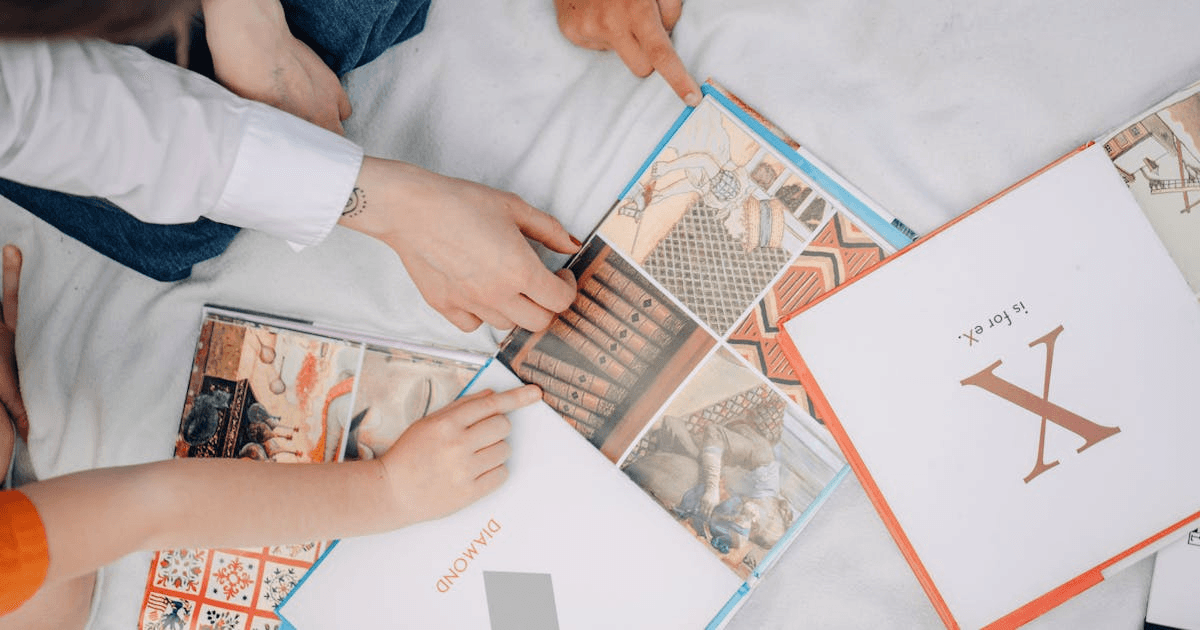
Best Homeschool Curriculum Options for Every Learning Style
Compare the best homeschool curriculum options by learning style. Charlotte Mason, classical, Montessori, online, and eclectic approaches explained.
Disclosure: This post contains affiliate links. If you purchase through my links, I may earn a small commission at no extra cost to you. I only recommend products I genuinely love and believe in. Thank you for supporting Eventful Eve! 🤍
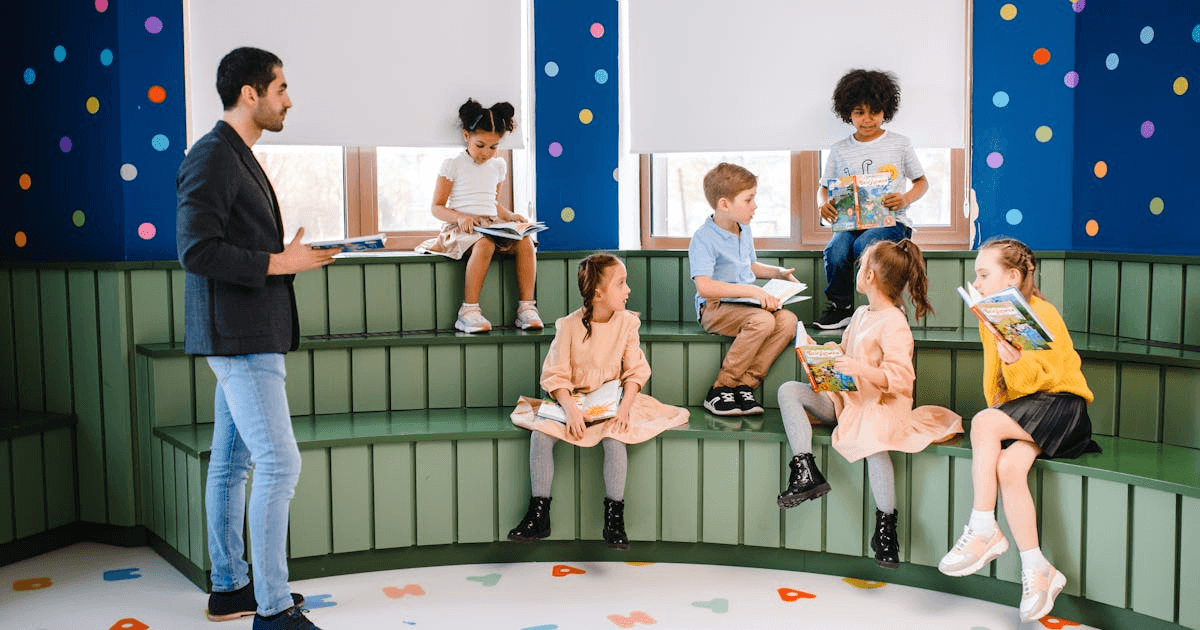
Choosing a curriculum is one of the most exciting — and most paralyzing — parts of homeschooling. There are so many beautiful options out there that it's easy to fall down a rabbit hole of reviews, comparisons, and "what ifs." I've been there. I spent an embarrassing number of hours on homeschool forums before our first year, second-guessing every choice. What I've learned since then is that the "best" curriculum is the one that fits your child, your teaching style, and your family rhythm. Not the one with the prettiest Instagram photos or the most enthusiastic Facebook reviews. So let me walk you through the major approaches and some specific resources within each, so you can make a decision that actually feels good.
How to Think About Learning Styles
Before diving into specific curricula, take a minute to observe your child. Not in a formal assessment way — just think about how they naturally engage with the world.
- Visual learners light up with charts, diagrams, color-coded notes, and picture-rich books
- Auditory learners do best with read-alouds, discussions, audiobooks, and verbal explanations
- Kinesthetic learners need to move, touch, build, and physically interact with concepts
- Reading/writing learners gravitate toward books, note-taking, and written expression
Most kids are a blend, and their dominant style may shift over time. But having a general sense of how your child learns best will help you narrow down which approach will feel natural rather than forced.
Charlotte Mason Approach
This has been the backbone of our homeschool, and I love it deeply. Charlotte Mason believed children are born persons, worthy of respect, and that education should be a rich feast of ideas — not rote drilling.
Key features:
- Short, focused lessons (15-20 minutes for younger kids)
- Living books instead of textbooks — real literature, real biographies, real stories
- Nature study, artist study, composer study, and poetry
- Narration as the primary assessment tool (the child tells back what they've learned)
- Habit training woven throughout daily life
Popular Charlotte Mason resources:
- Ambleside Online — A free, comprehensive CM curriculum. This is what we started with and I can't recommend it enough. The book lists are gorgeous.
- A Gentle Feast — A beautifully designed CM curriculum with meal planning vibes (the lessons are organized like courses of a meal). Paid, but well worth it.
- Simply Charlotte Mason — Great for beginners. They have individual subject guides and a helpful scope and sequence.
Best for: Families who love books, want short and focused lessons, and value nature and the arts. Works beautifully for auditory and reading/writing learners especially.
Classical Education
Classical education is built on the trivium — three stages of learning that align with a child's cognitive development:
- Grammar stage (K-4th): Absorbing facts, memorization, building a knowledge foundation
- Logic stage (5th-8th): Analyzing, questioning, connecting ideas, formal logic
- Rhetoric stage (9th-12th): Articulating ideas, persuasion, original thought
Key features:
- Heavy emphasis on language arts — Latin is often introduced early
- Structured and rigorous
- History taught chronologically in four-year cycles
- Lots of memorization in early years, lots of writing and debate later
Popular classical resources:
- The Well-Trained Mind by Susan Wise Bauer — The definitive guide. This book is a beast but it's comprehensive and incredibly well-organized.
- Classical Conversations — A community-based classical program. Kids meet weekly in groups and do memory work together. Great for the structure and social aspect.
- Memoria Press — Beautiful classical curriculum with a strong emphasis on Latin and Christian classical tradition.
Best for: Families who value structure, depth, and academic rigor. Great for reading/writing learners and kids who enjoy memorization and pattern recognition.
Montessori at Home
Montessori isn't just for preschools — the philosophy extends beautifully into the homeschool setting for elementary and beyond.
Key features:
- Child-led, self-paced learning
- Hands-on manipulatives and carefully prepared environments
- Mixed-age learning is natural and encouraged
- Focus on independence, practical life skills, and intrinsic motivation
- Observation is central — the parent watches and follows the child's interests
Popular Montessori resources:
- Montessori at Home (blog and resources by various educators) — Search for age-specific activity guides
- The Montessori Method by Maria Montessori — The original text. Dense but eye-opening.
- Montessori-inspired materials — You can find beautiful math manipulatives, moveable alphabets, and geography materials through various specialty shops
Best for: Kinesthetic learners, self-motivated kids, and families who want to follow the child's lead. Especially strong for younger children (preschool through early elementary).
Eclectic / Relaxed Approach
This is where most homeschool families end up, even if they didn't start here. Eclectic homeschooling means pulling the best from multiple philosophies and building something custom for your family.
What it looks like in practice:
- Maybe you use a Charlotte Mason approach for literature and nature study
- A structured math curriculum like Saxon or Math-U-See
- Unit studies for science and history
- YouTube and documentaries as supplements
- A completely different approach for each kid because they're completely different humans
Popular eclectic resources:
- Build Your Library — A secular, literature-based curriculum that blends Charlotte Mason with other approaches
- Bookshark — Literature-rich curriculum with a global perspective
- Oak Meadow — A gentle, nature-based curriculum with flexibility built in
- Teaching Textbooks — Self-grading math that many homeschool families swear by (I've heard great things from friends whose kids are more independent learners)
Best for: Families who want maximum flexibility and are comfortable curating their own experience. Great for multi-age households where each child has different needs.
Online and Digital Options
If you want the structure of a traditional school but the flexibility of learning from home, online curricula might be your fit.
Popular online options:
- Khan Academy — Free. Incredible math instruction. Also has courses in science, computing, and more.
- Easy Peasy All-in-One Homeschool — A completely free, Christian-based online curriculum for grades K-12
- Time4Learning — Subscription-based, covers core subjects with interactive lessons. Good for self-paced learners.
- Outschool — Live online classes on practically any topic. Great for supplementing or for subjects you don't feel confident teaching.
Best for: Families who need a more hands-off approach, kids who are self-directed learners, or parents who work from home and need something more independent.
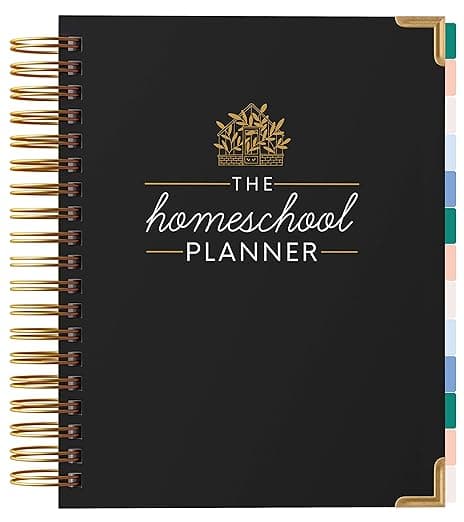
Homeschool Curriculum Planner — Year-Round Subject Tracker and Planning Notebook
When you're juggling multiple approaches and subjects across different kids, a dedicated curriculum planner keeps everything in one place and saves you from the chaos of scattered notes.
A Few Things I've Learned About Choosing
Don't buy everything at once. Start with your core subjects (usually math and language arts) and build from there. You can always add more.
Give it at least 6-8 weeks before you decide something isn't working. There's an adjustment period with any new curriculum. That said, if something is making your child miserable or you dread opening it every day, move on.
It's okay to switch mid-year. One of the biggest advantages of homeschooling is flexibility. You're not locked in.
Your curriculum doesn't define your homeschool. The conversations you have, the books you read together, the questions your child asks while you're making dinner — that's all education too. The curriculum is just a tool.
Talk to other homeschool parents. Join local groups, attend curriculum fairs, browse homeschool forums. Hearing how other families use a particular resource is worth more than any product description.
Consider your own teaching style too. This gets overlooked, but it matters. If you're a planner who loves structure, a curriculum with detailed daily lesson plans will feel like a gift. If you're more spontaneous and creative, something open-ended and flexible will suit you better. The best curriculum is one that works for both the student and the teacher — and in homeschool, the teacher is you.
You don't need a curriculum for everything. Math and phonics usually benefit from a structured program. But history? You can teach that with library books and a timeline. Science? Kitchen experiments and nature walks. Art? YouTube tutorials and basic supplies. Some of the richest learning happens outside of any curriculum at all.
The Bottom Line
There is no perfect curriculum. There's only what's right for your family right now. And "right now" might change next semester, next year, or when your next kid comes along. Give yourself permission to experiment, adjust, and evolve. That's not indecision — that's responsive parenting.
And if you're feeling overwhelmed by all the options, here's my simplest advice: start with math and reading. Just those two. Get comfortable with your routine. Then layer in other subjects gradually. You don't have to have everything figured out before you begin.