Shaving Cream vs. Gel: What Really Is the Difference?
Shaving is a routine most of us deal with regularly, and yet so many women are still using the wrong products without even realizing it.
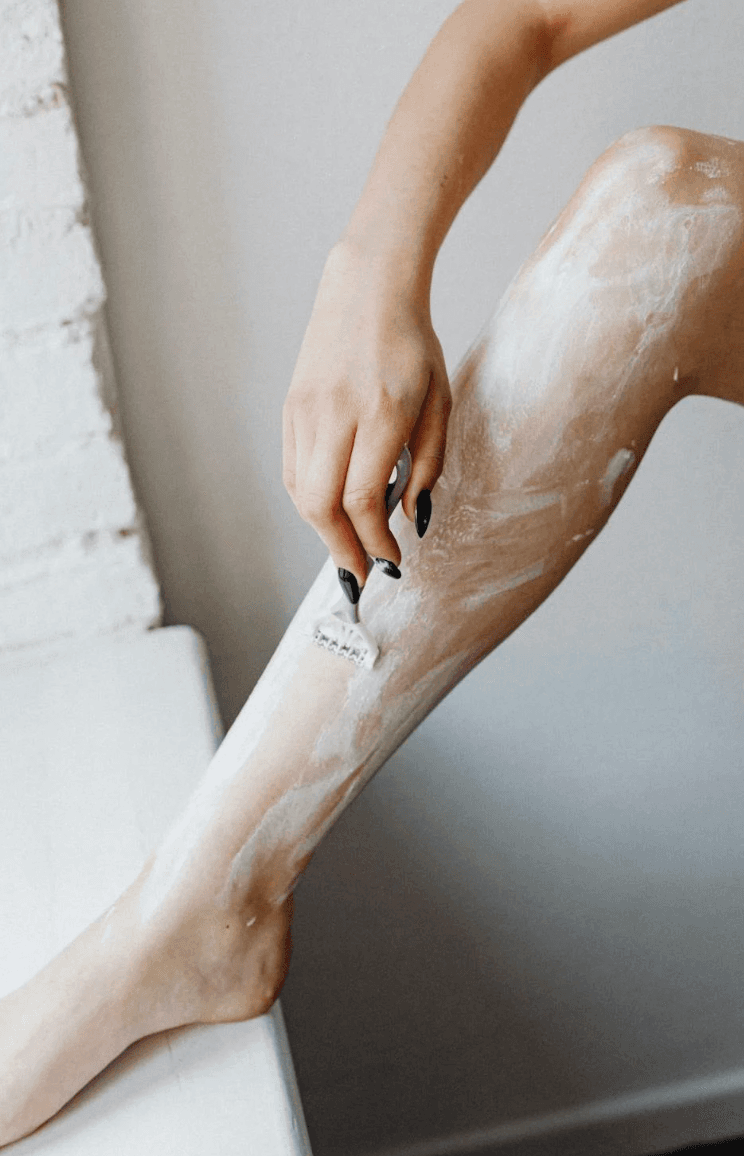
Shaving is a routine most of us deal with regularly, and yet so many women are still using the wrong products without even realizing it. No matter how careful you are with your razor technique, the wrong shaving product can lead to razor burn, irritation, dry skin, and ingrown hairs that ruin your smooth results. (Already dealing with bumps? Here's how to get rid of razor bumps.)
When it comes to shaving your legs, underarms, or bikini area, choosing the right product isn’t just a preference — it can make or break your shaving experience. But with shaving creams, gels, and foams all lining the shelves, how do you know which one is right for you? Here’s the definitive breakdown on shaving cream vs. gel so you can make the best choice for your skin type and shaving needs.
First Things First: What Shaving Cream Is NOT
When most women think “shaving cream,” they picture the pressurized foam that comes out of an aerosol can. But that’s actually shaving foam — and it’s fundamentally different from real shaving cream. This distinction matters more than you’d think.
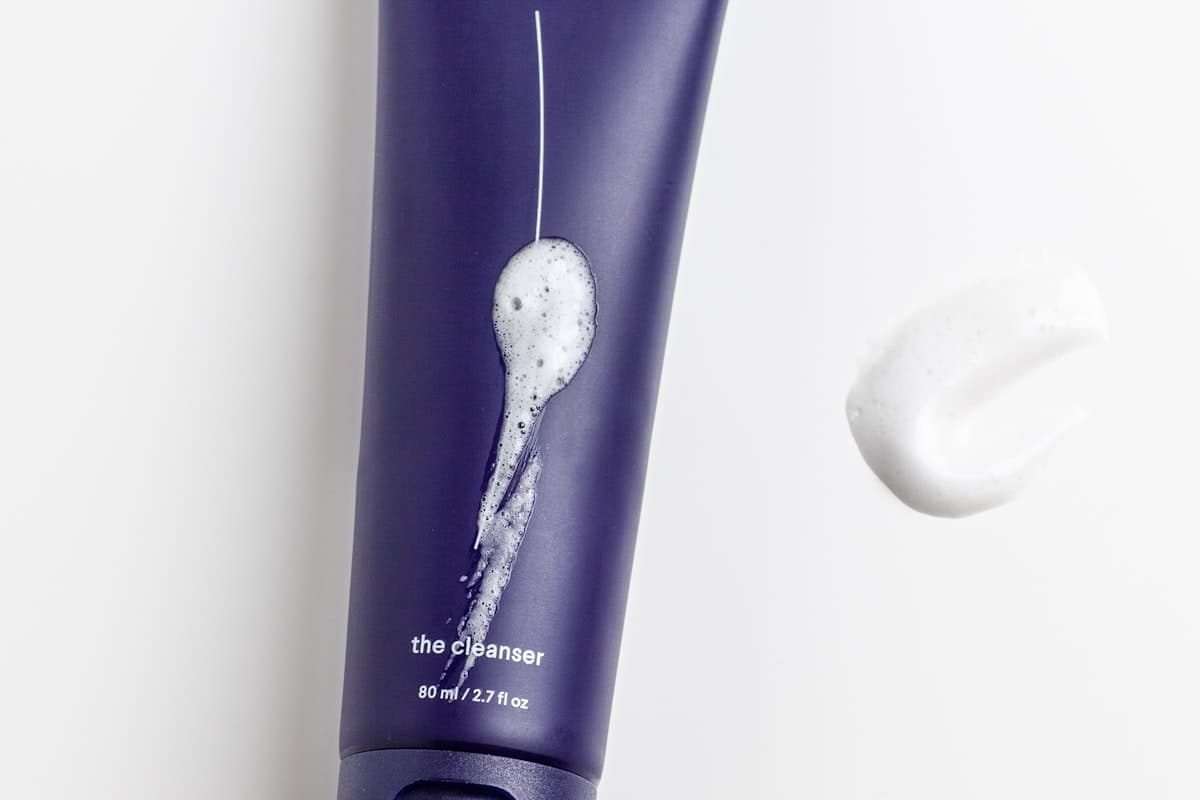
Aerosol shaving foam is made up of mostly air and water with a small amount of cleansing and lubricating agents. Because it contains so much air, it creates a light, fluffy lather that looks impressive but doesn’t actually coat your hairs very well. The airy consistency means it can’t properly lift hairs away from the skin or keep them upright for a clean cut. As a result, using aerosol foam increases your risk of nicks, razor burn, and an uneven shave. It also tends to dry out quickly on the skin, reducing the lubrication window.
Despite being the most commonly purchased shaving product, aerosol foam is actually the least effective option for achieving a smooth, irritation-free shave. If you’ve been using aerosol foam and wondering why you still get razor burn — now you know.
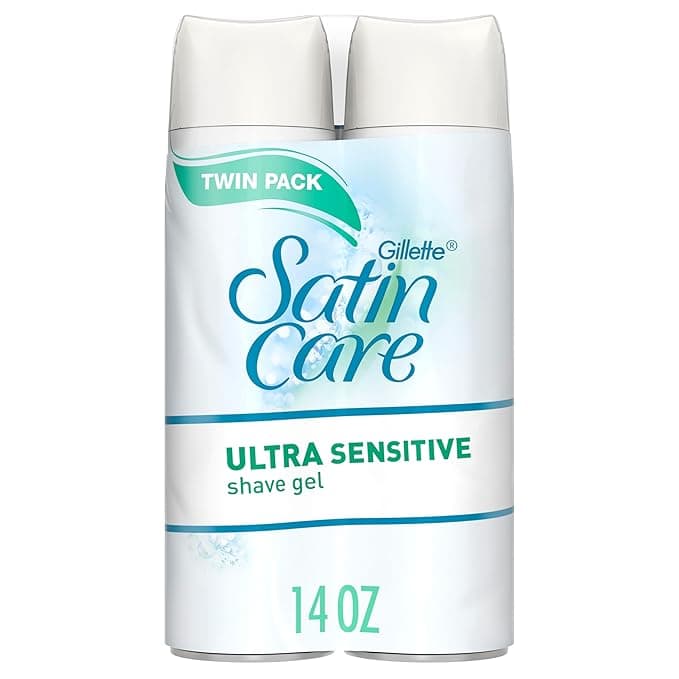
Gillette Satin Care Ultra Sensitive Shave Gel for Women, Pack of 2, 7oz, Fragrance-Free
A rich, moisturizing shaving cream perfect for sensitive skin — no razor burn, no irritation.
Shaving Gel: What Makes It Different
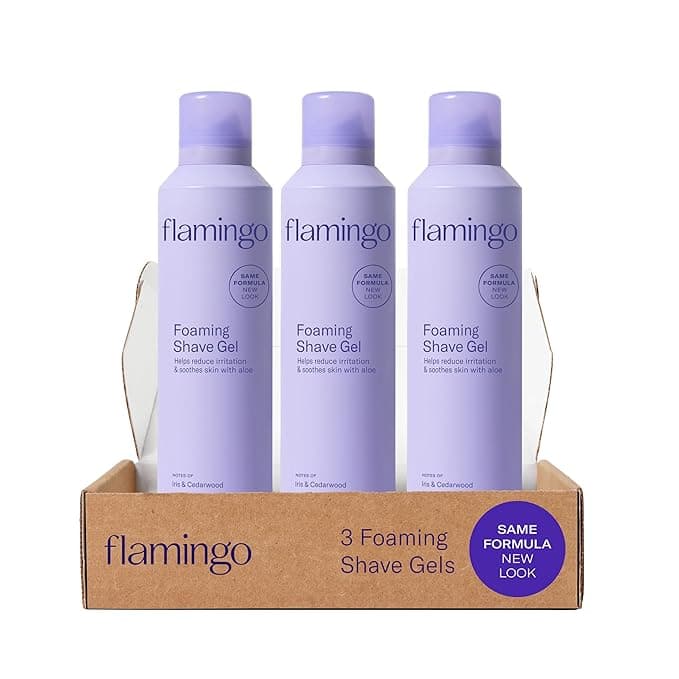
Flamingo Foaming Shave Gel with Aloe Vera
A clear foaming gel with soothing aloe — lets you see exactly where you're shaving, perfect for legs and the bikini line.
Shaving gel is the modern alternative that’s gained significant popularity among women in recent years — and for good reason. Gel goes on clear or translucent, which is a major advantage for precision shaving. You can see exactly where you’re shaving, making it ideal for detailed areas like the bikini line, underarms, and facial hair.
Shaving gels typically provide excellent lubrication — often better than foam — because their denser, non-airy consistency stays slick on the skin throughout the shaving process. Many gels are formulated specifically for sensitive skin with soothing ingredients like aloe vera, chamomile, vitamin E, and moisturizing agents that hydrate while you shave.
Gels come in two main varieties:
-
Clear gels — Stay transparent throughout shaving, providing maximum visibility. Best for precision work on the bikini line and face.
-
Foaming gels — Start as a gel but expand into a light lather when applied. These offer a balance between the visibility of a gel and the coverage of a cream.
The main downsides of shaving gel are that it can feel sticky compared to cream, it sometimes clogs multi-blade razors more quickly (requiring more frequent rinsing), and some formulas contain artificial fragrances or chemicals that can irritate sensitive skin.
Shaving Cream vs. Gel: Head-to-Head Comparison
Here’s how the two stack up across the categories that matter most:
-
Lubrication: Cream provides thicker, richer lubrication. Gel provides smooth, consistent lubrication. Both are significantly better than foam. Tie — depends on preference.
-
Visibility: Gel wins clearly here — its transparent application lets you see exactly where you’re shaving. Cream’s opaque lather covers the skin completely. Gel wins.
-
Sensitive skin: Both can be formulated for sensitive skin. Gel tends to be lighter and less likely to clog pores. Cream provides more of a protective barrier. Gel has a slight edge for sensitivity; cream has an edge for very dry skin.
-
Moisturizing: Traditional shaving cream typically contains richer moisturizing ingredients. Cream wins.
-
Ease of use: Gel is easier to apply — just squeeze and spread. Cream requires lathering. Gel wins.
-
Precision: For bikini line, facial hair, and detailed shaving, gel’s transparency gives it a significant advantage. Gel wins.
-
Razor clogging: Cream rinses off the blade more easily. Dense gels can clog multi-blade razors. Cream wins.
Which One Should You Choose?

The best choice depends on your specific needs, skin type, and which areas you’re shaving:
Choose shaving cream if you:
-
Have very dry skin that needs extra moisture and protection
-
Primarily shave large areas like your legs
-
Prefer a thick, cushiony barrier between the blade and skin
-
Enjoy the traditional, luxurious lathering experience
-
Want maximum skin hydration during and after shaving
Choose shaving gel if you:
-
Have sensitive skin prone to irritation
-
Need precision for bikini line or facial hair shaving
-
Want to see exactly where you’re shaving
-
Prefer a lighter, less residue-heavy product
-
Want a quick, no-fuss application without lathering
The hybrid approach: Many women use both — cream for legs and larger areas (where the thick lather provides great coverage and moisture), and gel for the bikini area and underarms (where visibility and precision matter more). There’s no rule that says you have to pick just one!
You Might Also Like
→ 9 Of The Best Shaving Cream Alternatives For Women
→ Shaving Against The Grain: Should You Do It? (A Woman’s Guide)
→ 11 Tips On How To Get Rid Of Razor Bumps Quickly (For Women)
You Might Also Like
→ How to Repair Your Skin Barrier
→ Perimenopause Symptoms in Your 30s
Shaving Cream Alternatives: What to Use When You Run Out
Ran out of shaving cream mid-shower? You're not as stuck as you think. Plenty of everyday household products make excellent shaving substitutes — some women even prefer them over commercial products. The key is knowing what works, what doesn't, and which alternatives are safe for which body areas.
Here's the quick answer: the best things to use when you've run out of shaving cream are hair conditioner, body oil, coconut oil, aloe vera gel, or even body lotion. Each provides the lubrication, skin protection, and slip that a razor needs to glide cleanly without causing irritation.
More on each of these options in detail in the next section.
The Best Shaving Cream Substitutes at Home
You don't need a specialized product to get a close, smooth shave. These household staples work — often surprisingly well:
1. Hair Conditioner
This is the go-to emergency substitute, and for good reason. Hair conditioner is specifically formulated to soften and condition hair — exactly what you want before running a blade over it. It provides excellent slip, softens leg hair, and leaves skin moisturized afterward. A generous squeeze of your regular conditioner works beautifully. Let it sit for 30–60 seconds before shaving for even better results.
Best for: Legs, underarms, bikini area. Works well everywhere.
Caution: Check for fragrances if you have sensitive skin; otherwise, most conditioners are gentle enough for the bikini area.
2. Coconut Oil
Virgin coconut oil is one of the most-loved natural shaving alternatives. It's deeply moisturizing, antibacterial, anti-inflammatory, and creates an incredibly smooth glide. The lauric acid in coconut oil helps prevent razor bumps. Warm a small amount between your palms until it melts, then apply to wet skin.
Best for: Legs and arms. Use cautiously on the bikini area if you're acne-prone there — it can clog pores.
Caution: Makes the shower floor slippery. Hold on while rinsing.
3. Body Oil or Baby Oil
A thin layer of body oil or baby oil creates a smooth, slick surface that lets a razor glide effortlessly. Unlike coconut oil, it typically rinses more cleanly off the razor. Apply sparingly — a little goes a long way — and rinse blades frequently during shaving.
Best for: Legs and larger areas. Not recommended for the bikini area due to potential pore-clogging and ingrown hair risk.
4. Aloe Vera Gel
Pure aloe vera gel is one of the best choices for women with sensitive skin. It's naturally anti-inflammatory and soothing, provides light lubrication, and won't irritate reactive skin. Use a generous layer and shave immediately after applying — it can dry slightly faster than cream.
Best for: Sensitive skin everywhere, including the bikini area. Excellent post-shave option too.
5. Body Lotion
A thicker body lotion can work as a shaving substitute in a pinch. Apply generously and work quickly before it absorbs. Look for a lotion with shea butter or oils for better glide. Thinner, water-based lotions don't work as well — you need something with real emollient thickness.
6. Shea Butter
Pure shea butter — thick, unrefined, or in a whipped form — is an excellent shaving base. It's intensely moisturizing, softens hair, and creates a protective barrier. Warm between your palms first. It provides one of the closest shaves of any natural alternative, though it can clog razors more quickly, requiring frequent rinsing.
Shaving Gel vs Shaving Foam vs Shaving Cream: Full Breakdown
If you've been confused by the terminology on shaving product labels, here's the definitive breakdown:
Shaving Foam (Aerosol)
What it is: Pressurized product that comes out fluffy from an aerosol can. Mostly air and water with surfactants.
Pros: Convenient, cheap, widely available, creates visible lather
Cons: Least effective of the three. The airy, fluffy consistency doesn't lubricate or lift hair effectively. Dries out quickly on skin. Highest risk of razor burn and nicks. Despite being the most commonly purchased product, it's the worst performer.
Best for: Quick touch-ups when nothing else is available. Not recommended as your primary shaving product.
Shaving Cream (Non-aerosol)
What it is: A dense, rich, non-pressurized cream that you lather directly on skin or with a brush.
Pros: Richest lubrication of the three, excellent moisture barrier, softens hair thoroughly, most moisturizing option. Rinses cleanly off blades. Best for very dry skin and large areas like legs.
Cons: Opaque (you can't see the skin), requires a bit more application technique, traditional formulas can be heavier. Takes slightly longer to apply than gel.
Best for: Women with dry skin, leg shaving, anyone who wants maximum hydration.
Shaving Gel
What it is: A dense, clear or foaming gel formula that applies transparently or with light lather.
Pros: Transparent or translucent application lets you see exactly where you're shaving — critical for bikini line precision. Good lubrication, lighter feel than cream, many formulas specifically target sensitive skin. Doesn't dry out as fast as foam.
Cons: Denser formulas can clog multi-blade razors more quickly. Some contain more artificial ingredients than cream. Can feel slightly sticky.
Best for: Bikini area and underarms (visibility is key), sensitive skin, women who prefer a lighter feel.
The verdict: Cream and gel are both excellent — each wins in different scenarios. Foam is the weakest option and should be your last resort. For most women, keeping both a gel (for precision work) and a cream or body oil (for legs) is the optimal approach.
The Best Shaving Products for Women's Legs
Your legs are the largest area you shave, and they benefit most from rich lubrication, full coverage, and moisturizing ingredients. Here's what actually works:
Shaving cream wins for legs. The thick, opaque coverage of a good shaving cream provides more protection over large surface areas, keeps hair upright for a cleaner cut, and leaves legs silky rather than dry. Look for creams with shea butter, coconut oil, or vitamin E for maximum post-shave softness.
Body oils are a close second. A thin layer of coconut oil, argan oil, or a dedicated shave oil creates incredible glide and doubles as leg moisturizer. Many women who switch to oil-based shaving for their legs never go back.
Avoid foam for legs. The aerosol foam most people default to is the worst choice — it dries out too quickly on large leg surfaces, forcing you to rush or re-apply. You'll get more razor burn and a less close shave.
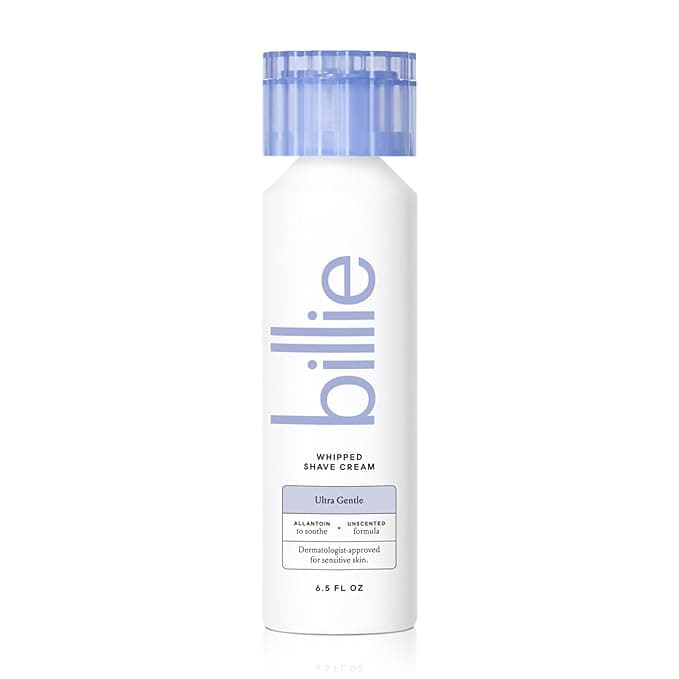
Billie Whipped Shave Cream – Fragrance-Free, Dermatologist-Approved
Ultra-gentle whipped shave cream designed for sensitive skin. Fragrance-free and dermatologist-approved — rich enough for legs, gentle enough for the bikini area. 4.5 stars with 2,500+ reviews.
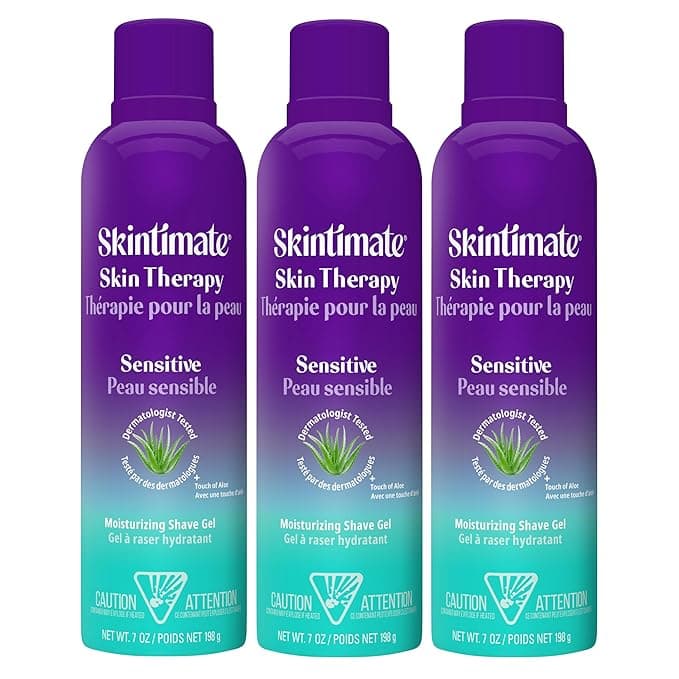
Skintimate Sensitive Skin Shave Gel for Women – 3 Pack
Best seller in women's shaving gels. Formulated with vitamin E, aloe, and olive butter for sensitive skin. Incredible value at 3 cans — 4.7 stars with 11,000+ reviews. Great for legs and the bikini area.
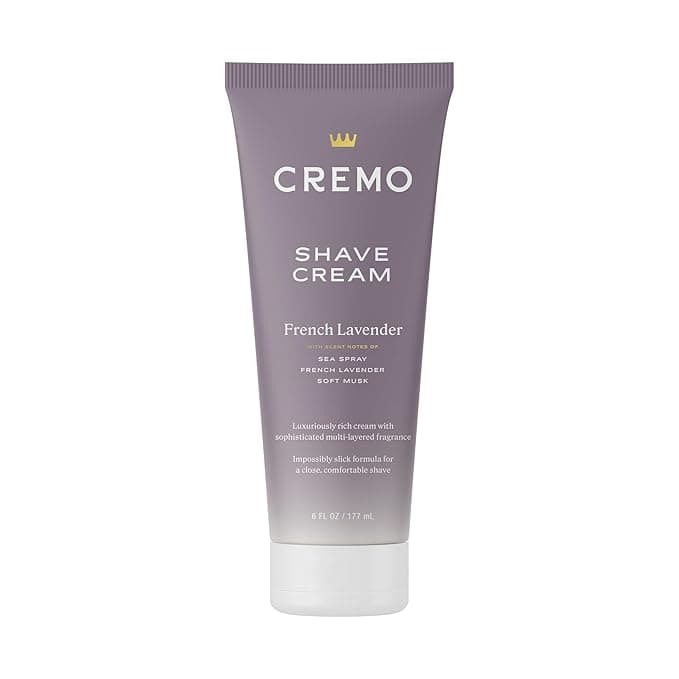
Cremo Women's Shaving Cream – Sensitive Skin, French Lavender
Ultra-slick concentrated shave cream that fights nicks, cuts, and razor burn. A tiny amount goes a long way — one tube lasts months. 4.7 stars with 9,700+ reviews. Perfect for sensitive skin and close shaves on legs.
Frequently Asked Questions
Pro Tips for the Best Shave of Your Life
-
Exfoliate 24 hours before shaving — Removes dead skin cells that can clog the razor and trap hairs
-
Shave at the end of your shower — 3-5 minutes of warm water softens hair and opens pores
-
Apply cream or gel generously — Don’t skimp on product, especially on your first pass
-
Use a sharp razor — Replace blades every 5-7 shaves for the cleanest cut. And make sure you're shaving against the grain correctly for each body area
-
Rinse the blade after every stroke — Keeps the blade clear for optimal performance
-
Moisturize immediately after — Lock in hydration while your pores are still open
-
Apply a post-shave treatment — Products with salicylic acid or witch hazel prevent bumps and ingrown hairs
Our Top Product Recommendations
Tend Skin Razor Bump Solution — Whatever shaving product you choose, pair it with this post-shave treatment. It prevents razor bumps and ingrown hairs, keeping your skin smooth between shaves.
Gillette Satin Care Ultra Sensitive Shave Gel for Women, Pack of 2, 7oz, Fragrance-Free
A rich, moisturizing shaving cream perfect for sensitive skin — no razor burn, no irritation.
Women’s Electric Razor — For women who struggle with irritation no matter what cream or gel they use, an electric razor eliminates the need for shaving products entirely while still providing a close, comfortable shave.
Shop All Recommendations
Everything featured — click to shop on Amazon:
Gillette Satin Care Ultra Sensitive Shave Gel for Women, Pack of 2, 7oz, Fragrance-Free
A rich, moisturizing shaving cream perfect for sensitive skin — no razor burn, no irritation.
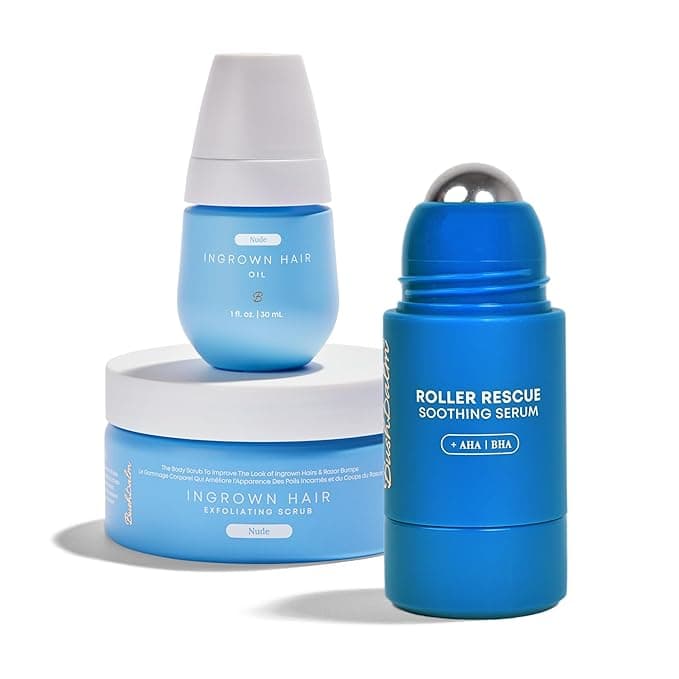
Bushbalm Ingrown Hair Routine – Roller Rescue, Nude Oil and Nude Scrub
A top-rated product our readers love.
You'll Also Love
- 9 Of The Best Shaving Cream Alternatives For Women
- Shaving Against The Grain: Should You Do It?
- 11 Tips On How To Get Rid Of Razor Bumps Quickly
As an Amazon Associate I earn from qualifying purchases at no extra cost to you.
Final Thoughts
The shaving cream vs. gel debate doesn’t have a one-size-fits-all winner — both are excellent options that far outperform aerosol foam. The best choice depends on your skin type, where you’re shaving, and your personal preferences. Cream provides richer moisture and protection for dry skin and large areas, while gel offers superior visibility and lighter feel for sensitive skin and precision work. Whatever you choose, pair it with a sharp razor, proper technique, and quality post-shave care for the smoothest, most comfortable shave possible.
Related reading: Still getting bumps? Learn how to get rid of razor bumps. Or skip the product debate entirely and explore the best shaving cream alternatives.