Natural Hormone Balance — 8 Evidence-Based Things That Actually Help
Evidence-based natural approaches to hormone balance — nutrition, exercise, stress management, supplements, and reducing endocrine disruptors. No fluff.

Disclosure: This post contains affiliate links. If you purchase through my links, I may earn a small commission at no extra cost to you. I only recommend products I genuinely love and believe in. Thank you for supporting Eventful Eve! 🤍
The wellness internet is full of vague advice about "balancing your hormones naturally" — most of it unsourced, oversimplified, or trying to sell you a detox tea. I wanted to write something different. This is a practical, evidence-based guide to the daily choices that genuinely influence your hormonal health. Not quick fixes. Not miracle cures. Just the foundational things that, when done consistently, create an environment where your hormones can function the way they're supposed to.
I'm not a doctor, and none of this replaces medical care if you have a diagnosed hormonal condition. But I've spent years learning about this topic after my own hormonal struggles, and the research is clear: lifestyle factors have a massive impact on hormone production, metabolism, and balance. Here are the eight areas with the strongest evidence.
1. Eat Enough Protein at Every Meal
Protein is non-negotiable for hormone health, and most women don't eat enough of it. Amino acids from protein are the building blocks for peptide hormones (including insulin, growth hormone, and thyroid hormones). Protein also has the highest thermic effect of any macronutrient — meaning your body burns more energy digesting it — and it's the most satiating, which naturally supports healthy insulin levels and reduces cortisol-spiking blood sugar swings.
Research published in the American Journal of Clinical Nutrition has shown that higher protein intake is associated with improved body composition, better blood sugar regulation, and more stable appetite hormones. Aim for 25–35 grams of protein per meal, from sources like eggs, poultry, fish, meat, Greek yogurt, legumes, or tofu.
Don't skip breakfast, and when you do eat in the morning, lead with protein. A protein-rich breakfast stabilizes blood sugar for hours and sets a better hormonal tone for the entire day compared to a high-carb start.
2. Prioritize Blood Sugar Stability
If there's one piece of hormonal health advice I could give every woman, it's this: stabilize your blood sugar. Almost every hormonal issue — from PCOS to perimenopause to thyroid dysfunction — is worsened by blood sugar instability.
Every time your blood sugar spikes (from sugary food, refined carbs, or eating carbs alone without protein or fat), your pancreas pumps out insulin to bring it back down. Over time, repeated insulin spikes lead to insulin resistance, which increases testosterone (driving acne, hair thinning, and weight gain), disrupts ovulation, promotes fat storage, and makes it harder for every other hormone to do its job.
Practical strategies: pair every carb with protein and/or fat. Eat your vegetables and protein first, carbs last (studies show this simple order-of-eating change reduces glucose spikes by up to 40%). Don't skip meals — blood sugar crashes trigger cortisol spikes. Minimize liquid sugar (juice, soda, sweetened coffee drinks). Choose complex carbs over refined ones.
3. Time Your Exercise to Your Cycle
Exercise is profoundly beneficial for hormone health — but the type and intensity that serves you best may vary depending on where you are in your menstrual cycle. This is the principle behind cycle syncing, and there's growing research support for it.
Follicular phase (days 1–14): Rising estrogen supports energy, strength, and recovery. This is the time for higher-intensity workouts — HIIT, heavy strength training, challenging runs.
Ovulation (around day 14): Estrogen peaks and you're typically at your strongest. Great time for PRs, intense group classes, or demanding workouts.
Luteal phase (days 15–28): Progesterone rises and the body shifts toward rest and recovery. Moderate strength training, yoga, Pilates, walking, and swimming tend to feel better and are less likely to spike cortisol during this phase.
Menstruation (days 1–5): Energy is typically lowest. Gentle movement — walking, restorative yoga, light stretching — supports recovery without adding stress.
You don't have to be rigid about this. But if you notice that pushing hard in the week before your period leaves you exhausted and inflamed, or that you feel amazing during intense workouts in the first half of your cycle, you're experiencing the hormonal logic behind cycle-synced exercise.
4. Manage Stress Like It's a Health Priority (Because It Is)
Chronic stress is the single most destructive force against hormonal balance. I don't say that lightly. Cortisol — your primary stress hormone — directly inhibits the production of progesterone, disrupts thyroid function, increases insulin resistance, suppresses reproductive hormones, and promotes visceral fat storage. If you're doing everything else right but living in a state of chronic stress, your hormones will continue to struggle.
Stress management isn't bubble baths and candles (though those are nice). It's building specific nervous-system-regulating practices into your daily routine:
- Morning sunlight exposure (10–15 minutes within the first hour of waking) helps regulate cortisol and melatonin rhythms
- Deep breathing or box breathing — even 5 minutes of slow, diaphragmatic breathing measurably reduces cortisol
- Regular movement — walking is one of the best cortisol regulators available
- Time in nature — studies consistently show reduced cortisol levels after time spent outdoors
- Boundaries — saying no, reducing commitments, and protecting your energy aren't indulgent; they're hormonally necessary
If you suspect cortisol is a major issue for you, read my full guide on signs your cortisol is too high.
5. Support Your Gut
Your gut is directly involved in hormone metabolism. The estrobolome — a collection of gut bacteria — produces an enzyme called beta-glucuronidase that determines how much estrogen is recirculated versus excreted. An unhealthy gut microbiome can cause estrogen to be reabsorbed back into circulation, contributing to estrogen dominance and all its downstream effects.
Beyond estrogen, gut health affects thyroid hormone conversion (a significant percentage of T4-to-T3 conversion happens in the gut), serotonin production (about 90% of serotonin is made in the gut), nutrient absorption (which every hormone needs), and systemic inflammation.
Fiber is the most important thing you can eat for your gut microbiome — it feeds beneficial bacteria and helps bind and eliminate excess estrogen. Aim for 25–30 grams daily from vegetables, legumes, whole grains, nuts, and seeds. Fermented foods (sauerkraut, kimchi, yogurt, kefir) provide beneficial bacteria directly. And a high-quality probiotic can help — I covered specific recommendations in my post on best probiotics for women. For the full picture, read my guide on gut health for women.
6. Targeted Supplements
Supplements aren't a replacement for the foundational habits above, but certain ones have strong evidence for supporting hormonal health in women.
Magnesium: Involved in over 300 enzymatic reactions, including hormone production, blood sugar regulation, cortisol management, and sleep. Most women are deficient. Magnesium glycinate is my preferred form for hormonal support. Full details in my magnesium guide.
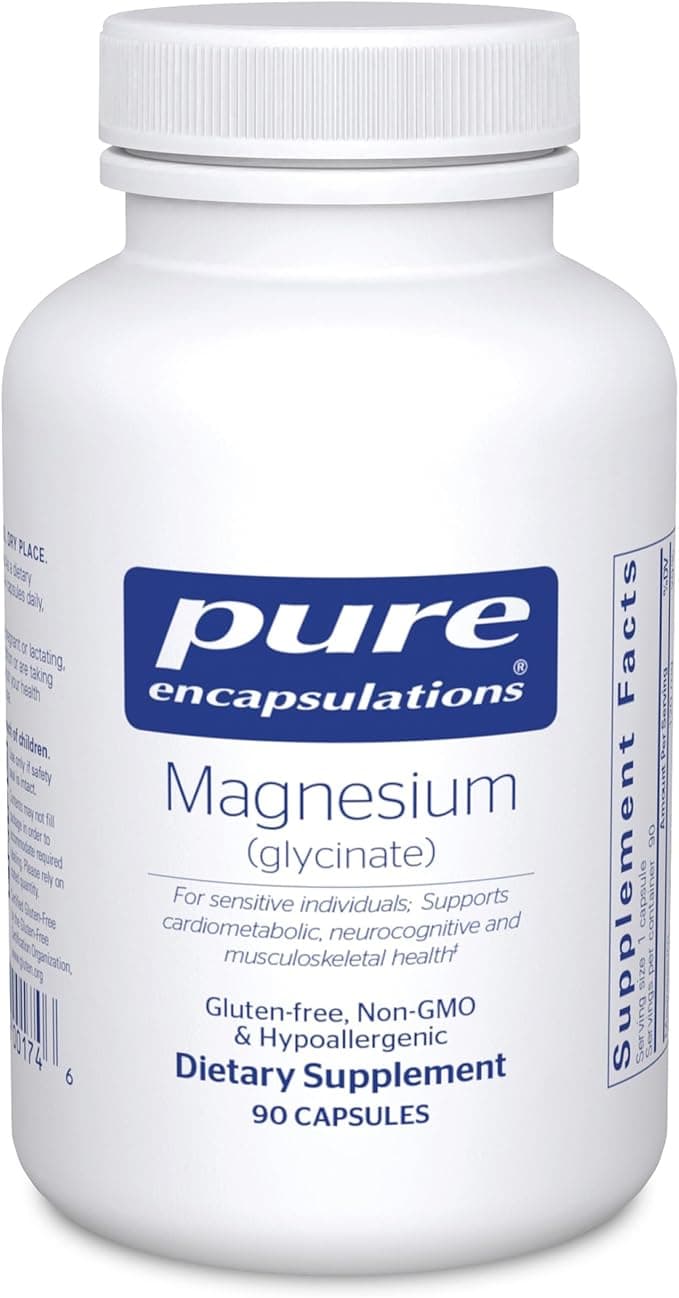
Pure Encapsulations Magnesium Glycinate
Well-absorbed, gentle on the stomach, and specifically beneficial for sleep, stress, and hormone support. A staple in my routine.
Ashwagandha: An adaptogen with strong evidence for reducing cortisol, improving thyroid function, and supporting sleep. Look for KSM-66 standardized extract. My full breakdown is in my ashwagandha guide.
Vitamin D: Functions more like a hormone than a vitamin. Deficiency is associated with insulin resistance, thyroid dysfunction, mood disorders, and menstrual irregularities. Get tested and supplement based on your level — most women need 2,000–5,000 IU daily.
Omega-3 fatty acids: Reduce inflammation, support cell membrane health (which affects hormone receptor sensitivity), and are associated with reduced PMS symptoms and improved insulin sensitivity. If you don't eat fatty fish 2–3 times per week, consider a high-quality fish oil or algae-based omega-3.
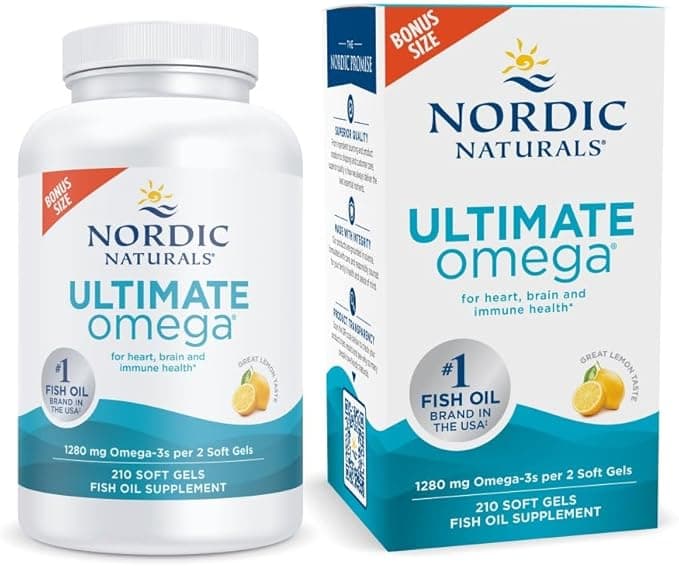
Nordic Naturals Ultimate Omega — 1280mg Fish Oil
Excellent third-party-tested fish oil with a high EPA/DHA concentration. Lemon flavor, no fishy aftertaste. One of the most trusted brands in the omega-3 space.
7. Seed Cycling
I wrote a full guide on seed cycling for hormones, but the short version: eating specific seeds during each phase of your menstrual cycle (flax and pumpkin during the follicular phase, sesame and sunflower during the luteal phase) provides targeted nutrients — lignans, zinc, selenium, and essential fatty acids — that support the hormonal priorities of each phase.
The direct clinical evidence for seed cycling as a formalized protocol is still emerging, but the nutritional components have solid individual research behind them, and the practice has essentially zero risk. It's one of those "might help, can't hurt" approaches that I think is worth trying for at least three months.
8. Reduce Endocrine Disruptors
This is the one most people don't think about, but it matters. Endocrine disruptors are chemicals that interfere with your body's hormone signaling — mimicking hormones, blocking them, or altering their production and metabolism.
Common sources include BPA and BPS (found in plastic containers, canned food linings, receipts), phthalates (found in fragrances, personal care products, vinyl), parabens (found in cosmetics, lotions, shampoos), pesticides (on conventionally grown produce), PFAS (in nonstick cookware, stain-resistant fabrics, food packaging), and synthetic fragrances (in cleaning products, candles, air fresheners).
You can't eliminate exposure entirely — these chemicals are everywhere. But you can reduce it significantly with practical swaps: switch to glass or stainless steel food storage, choose fragrance-free or naturally scented personal care products, buy organic for the Dirty Dozen produce items, replace nonstick cookware with cast iron or stainless steel, use an air purifier, filter your drinking water, and read labels on cleaning products.
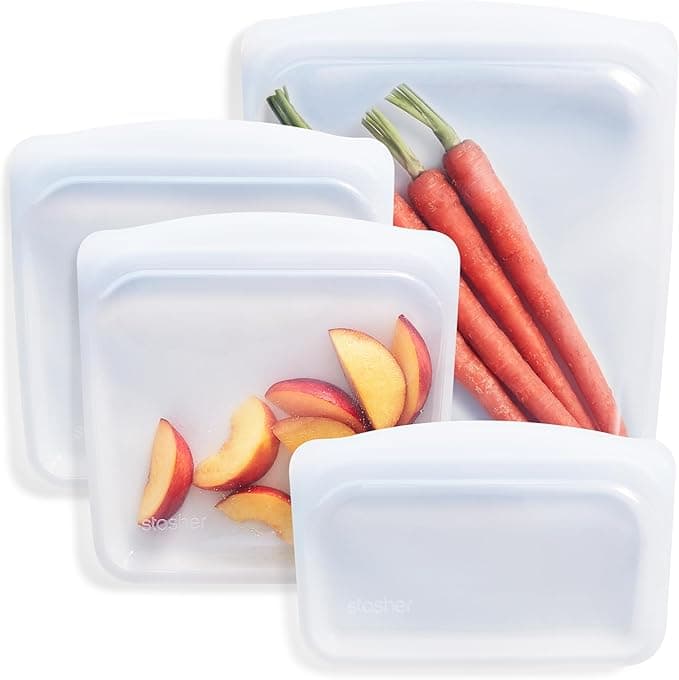
Stasher Reusable Silicone Bags — Plastic-Free Food Storage
A simple swap from plastic to platinum-grade silicone for food storage. I use these for everything — meal prep, snacks, freezer storage. Dishwasher-safe and endlessly reusable.
Where to Start (Without Getting Overwhelmed)
Eight areas is a lot, and if you try to overhaul everything at once, you'll burn out before any of it becomes habit. Here's the order I'd suggest based on impact and ease of implementation.
Week 1–2: Focus on protein at every meal and blood sugar stability. These two things alone can create noticeable shifts in energy, mood, and cravings within days.
Week 3–4: Add a magnesium supplement and start a stress-management practice — even five minutes of deep breathing daily counts.
Month 2: Begin seed cycling (simple to add once you have a routine), and start paying attention to your personal care products and household items for endocrine disruptor swaps.
Month 3: Layer in exercise timing adjustments aligned with your cycle, and consider adding omega-3s and vitamin D if your levels are low.
Ongoing: Continue refining, tracking symptoms, and adjusting based on what you notice. Hormonal health is a long game, not a 30-day challenge.
Hormonal balance isn't about perfection — it's about consistent, informed choices that give your body what it needs to regulate itself.