How to Repair Your Skin Barrier (Best Products)
About two years ago, I remember standing in my bathroom, staring at my reflection and wondering what on earth was happening to my skin.

About two years ago, I remember standing in my bathroom, staring at my reflection and wondering what on earth was happening to my skin. It felt tight after cleansing, turned bright red in patches, and stung every time I applied literally anything, even my most gentle products. I'd been on a big skincare kick and figured more actives meant better skin. I was wrong. Turns out, I had completely wrecked my skin barrier, and it took me weeks of research and a dramatically simplified routine to figure out what to do about it. Now, I want to share everything I've learned about how to repair your skin barrier, and the exact products that helped me get there.
What Is the Skin Barrier (And Why Does It Get Damaged)?
Your skin barrier, technically called the stratum corneum, is the outermost layer of your skin. Think of it like a brick wall: skin cells are the bricks, and a mix of ceramides, fatty acids, and cholesterol acts as the mortar holding everything together. This barrier's entire job is to keep moisture in and irritants, bacteria, and environmental stressors out.
When it's healthy, your skin feels soft, plump, and calm. When it's damaged, moisture escapes and irritants sneak in, which is why a compromised barrier leads to dryness, sensitivity, redness, and breakouts all at once. So how does it get damaged? More ways than you might think. Over-exfoliation is probably the most common culprit, using AHAs, BHAs, or physical scrubs too often strips away those essential lipids. Harsh cleansers (especially foaming ones with sulfates) do the same thing. Even beloved actives like retinol can wreak havoc if introduced too fast. Add in UV exposure, pollution, stress, and cold weather, and your barrier is fighting on a lot of fronts.
The good news? Your skin barrier is remarkably resilient and can absolutely heal, you just have to give it the right conditions.
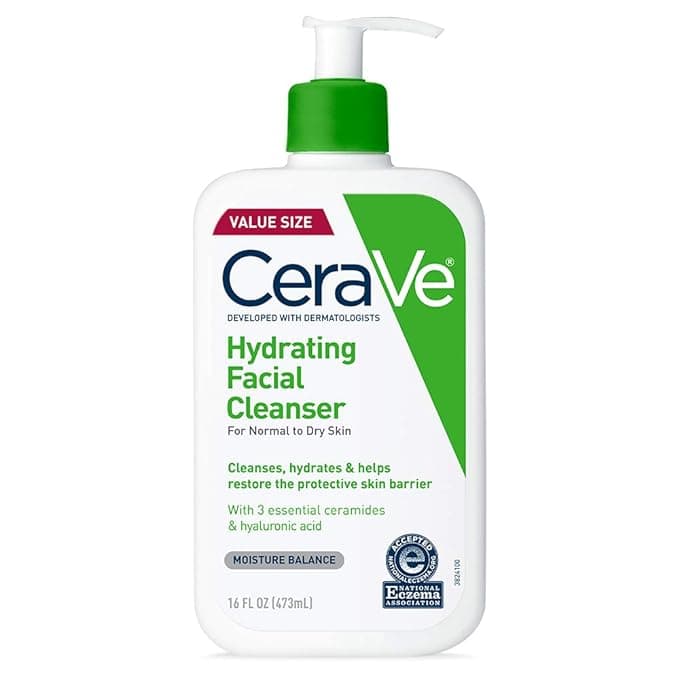
CeraVe Hydrating Facial Cleanser
Gentle, fragrance-free cleanser with ceramides and hyaluronic acid, perfect for compromised skin.

Signs Your Skin Barrier Is Compromised
Here's the tricky part: a damaged skin barrier often gets misdiagnosed. People think they're breaking out because of hormones, or that they're suddenly sensitive to a product they've used forever. In reality, a compromised barrier changes how your skin responds to everything.
The most telling sign? That tight, uncomfortable feeling after washing your face, like your skin is being pulled. Even if you wash with water alone. (Not sure if this applies to you? Here's a full checklist of how to tell if skin barrier is damaged.) Another big red flag is stinging or burning when you apply products that never bothered you before. This happens because when the barrier is damaged, your skin is essentially an open canvas, everything penetrates more deeply and irritates more easily.
Watch for redness that wasn't there before, especially in unusual places like around your mouth or on your cheeks in random patches. Sudden breakouts can also signal barrier damage, your skin becomes more vulnerable to bacteria when it can't protect itself properly. And then there's the dullness. Healthy, hydrated skin has a natural glow. Damaged skin looks flat and lackluster no matter what you put on it. If you're nodding your head at multiple items on this list, your barrier probably needs some serious TLC.
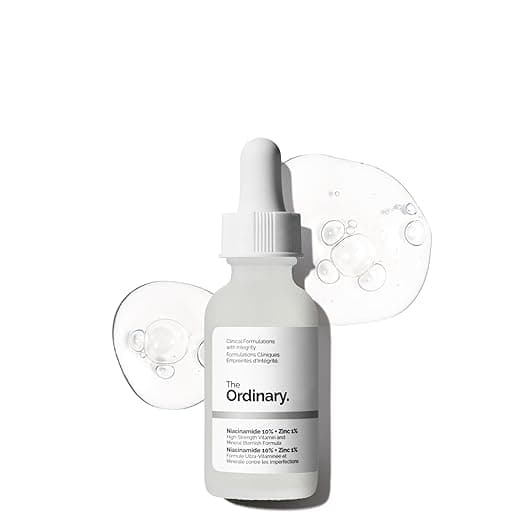
The Ordinary Niacinamide 10% + Zinc 1%
Smoothing serum that calms redness, minimizes pores, and reduces inflammation. A skincare staple.
The First Step: Simplify Your Routine Immediately
I know this isn't what anyone wants to hear when they've invested in a whole shelf of skincare, but the absolute first thing you need to do when your barrier is compromised is strip your routine back to the bare minimum. This means taking a 2–4 week break from all actives: no retinol, no AHAs, no BHAs, no vitamin C (especially in high concentrations), no exfoliation of any kind.
Your entire focus shifts to three steps: cleanse gently, moisturize, and protect with SPF during the day. That's it. No exceptions. The reason this works is that when you're piling on actives, you're constantly asking your skin to renew, resurface, and do work, work that takes energy and resources away from the repair process. By removing them temporarily, you give your skin the space it needs to focus on healing.
This can feel counterintuitive, especially if you're also dealing with breakouts as a symptom of barrier damage. Trust the process. Two to four weeks of gentle, consistent basics will do more for your skin than any active ingredient right now.
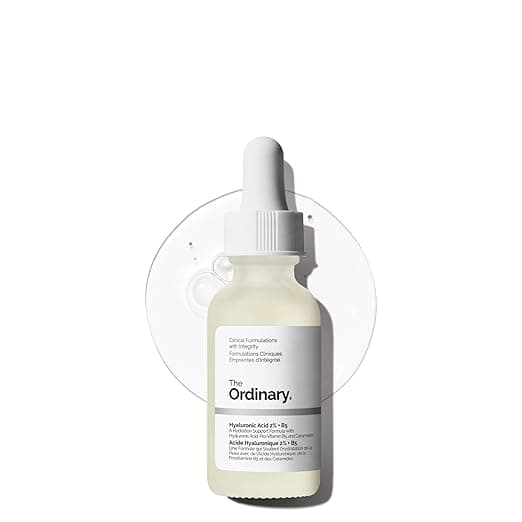
The Ordinary Hyaluronic Acid 2% + B5 (with Ceramides)
Multi-depth hydration serum that plumps skin and supports the moisture barrier. An unbeatable value.
The Best Ingredients for Barrier Repair
Once you've simplified, the next step is making sure the products you are using contain the right ingredients. Here's what actually moves the needle when it comes to repairing a damaged barrier:
Ceramides are the #1 ingredient to look for, full stop. They literally replace the lipid building blocks that have been stripped from your barrier. Look for products that list multiple ceramide types (ceramide NP, AP, EOP). The more, the better. Niacinamide is a multi-tasking anti-inflammatory that calms redness, reduces the appearance of pores, and supports ceramide production in your skin. It's also gentle enough for even the most reactive skin.
Hyaluronic acid is a humectant, it draws water in from the environment and locks it into the skin. It's lightweight and suitable for all skin types. Squalane is an occlusive oil that forms a protective seal over your skin to prevent moisture loss. Unlike heavier oils, it's non-comedogenic and absorbs quickly. Panthenol (also called provitamin B5) is deeply soothing and helps your skin retain moisture while calming irritation. You'll find it listed in many barrier-repair formulas.
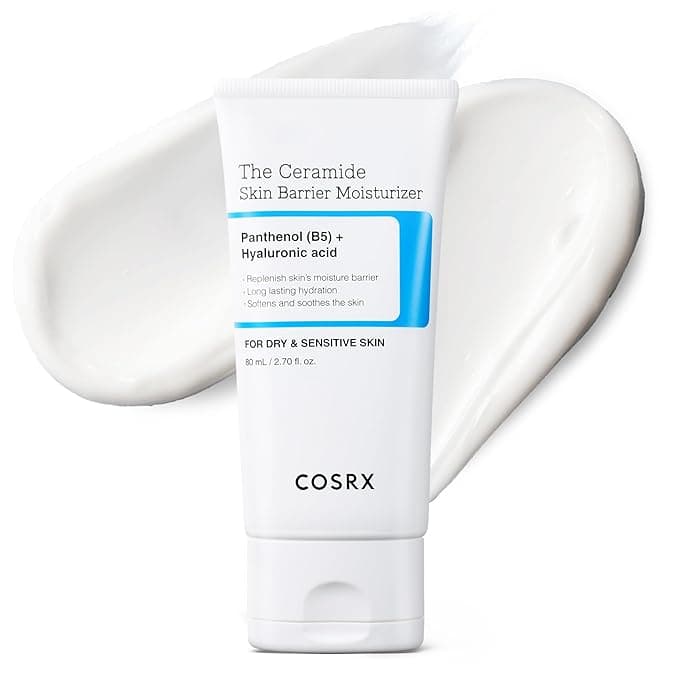
COSRX Ceramide Skin Barrier Moisturizer (7 Ceramides)
Packed with 7 types of ceramides plus hyaluronic acid and panthenol, a barrier-repair powerhouse.
How to Reintroduce Actives Safely
Once your barrier feels healed, meaning no stinging, no tightness, no redness, you can start reintroducing actives. But do it slowly and strategically. The golden rule: one new active at a time. Don't layer multiple actives in the same routine, and don't add two new things to your routine in the same week. This way, if something irritates your skin, you'll know exactly what it was.
Start with your mildest actives first. If you want to use retinol, begin with a low concentration (0.025%–0.05%) just 1–2 times per week, always at night. Give your skin at least a week at each frequency before increasing. Always follow retinol with a generous layer of moisturizer, this is called the "sandwich method" and it significantly reduces irritation. Never layer retinol with acids in the same routine. Retinol at night, acids another night, with rest days in between.
Vitamin C is generally gentler, a 10–15% L-ascorbic acid in the morning under SPF is a great starting point. But again, introduce it separately from other actives and watch how your skin responds. The patience you invest in this phase will save you from going through barrier damage all over again.
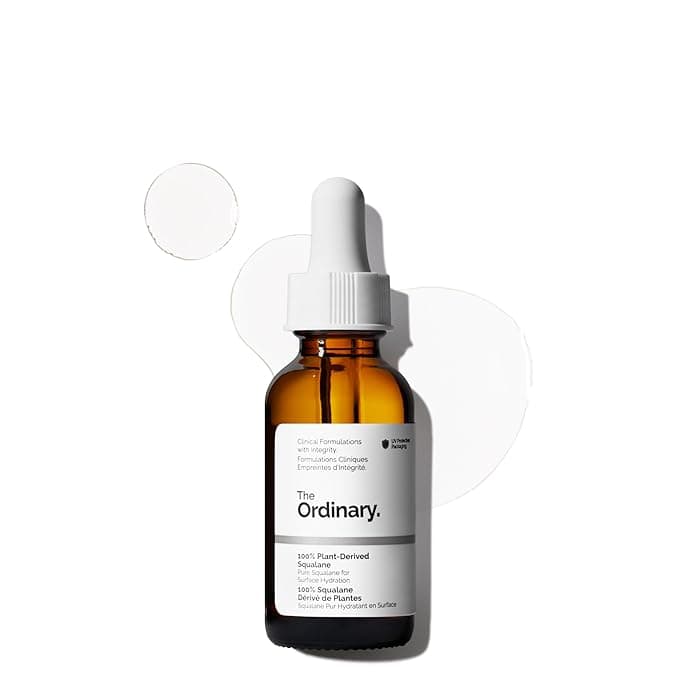
The Ordinary 100% Plant-Derived Squalane
Lightweight facial oil that locks moisture in without clogging pores. I add a few drops every night.
Building a Simple Barrier-Friendly Routine
Let me share the actual routine structure I used, and still use, to keep my barrier healthy. The key philosophy: less is more.
Morning Routine: Start with a gentle, non-stripping cleanser, if your skin isn't overly oily or dirty, you can even just rinse with water in the morning. Apply your hyaluronic acid serum to damp skin, then layer a ceramide-rich moisturizer on top while the serum is still slightly damp. Finish with SPF 30 or higher, UV damage is one of the biggest contributors to barrier breakdown over time, so this step is non-negotiable.
Evening Routine: If you wear makeup, start with an oil cleanser or cleansing balm to dissolve everything, then follow with your gentle hydrating cleanser. Apply niacinamide serum, then layer your ceramide moisturizer. On nights you use retinol or an acid, apply that between the niacinamide and moisturizer. On off nights, a few drops of squalane oil on top of your moisturizer does wonders for locking everything in. Sleep with this on, your skin does its most intensive repair work overnight.
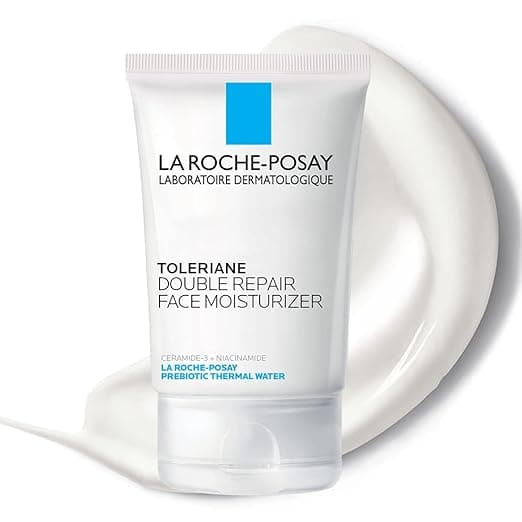
La Roche-Posay Toleriane Double Repair Face Moisturizer
48-hour hydration with ceramides and niacinamide, my absolute ride-or-die for barrier repair.
Frequently Asked Questions
Shop All Recommendations
CeraVe Hydrating Facial Cleanser
Gentle, fragrance-free cleanser with ceramides and hyaluronic acid, perfect for compromised skin.
The Ordinary Hyaluronic Acid 2% + B5 (with Ceramides)
Multi-depth hydration serum that plumps skin and supports the moisture barrier. An unbeatable value.
The Ordinary Niacinamide 10% + Zinc 1%
Smoothing serum that calms redness, minimizes pores, and reduces inflammation. A skincare staple.
COSRX Ceramide Skin Barrier Moisturizer (7 Ceramides)
Packed with 7 types of ceramides plus hyaluronic acid and panthenol, a barrier-repair powerhouse.
The Ordinary 100% Plant-Derived Squalane
Lightweight facial oil that locks moisture in without clogging pores. I add a few drops every night.
La Roche-Posay Toleriane Double Repair Face Moisturizer
48-hour hydration with ceramides and niacinamide, my absolute ride-or-die for barrier repair.