Building a Homestead Pantry: Essentials for a Well-Stocked Kitchen
How to build a well-stocked homestead pantry with essential staples, from-scratch basics, smart storage tips, and a rotation system that actually works.
Disclosure: This post contains affiliate links. If you purchase through my links, I may earn a small commission at no extra cost to you. I only recommend products I genuinely love and believe in. Thank you for supporting Eventful Eve! 🤍
One of the things that surprised me most when I started homesteading was how much my pantry changed. It went from shelves stacked with processed convenience foods to a completely different collection — bags of flour and whole grains, jars of home-canned tomatoes and pickles, dried beans, honey, oils, and all the raw ingredients I needed to actually cook from scratch.
It didn't happen overnight. It was a gradual shift as I learned to make more things myself and relied less on pre-made versions. But now, looking at my pantry, I can make bread, pasta, soup, sauces, baked goods, and full meals without needing to run to the store. That kind of self-sufficiency feels incredibly good — and it's completely doable no matter where you live.
Here's how to build a homestead pantry that actually works for your family.
The Essential Staples to Keep on Hand
Think of these as the building blocks of from-scratch cooking. With these on your shelves, you can make almost anything:
Flours and grains:
- All-purpose flour (I buy this in 25-lb bags because we go through it fast)
- Whole wheat flour
- Oats (rolled and/or steel-cut)
- Rice (we keep both white and brown)
- Cornmeal
- Bread flour if you bake bread regularly
Dried beans and legumes:
- Black beans, pinto beans, chickpeas, lentils
- These are dramatically cheaper than canned, and once you get used to cooking dried beans, you'll never go back
- A bag of dried beans costs about a dollar and yields the equivalent of 3-4 cans
Oils and fats:
- Olive oil (for cooking and dressings)
- Coconut oil or avocado oil (for high-heat cooking)
- Butter (I keep extra in the freezer)
Sweeteners:
- Granulated sugar (essential for canning and baking)
- Honey (we buy from a local beekeeper)
- Maple syrup
- Brown sugar
Vinegars:
- White vinegar (cleaning and pickling)
- Apple cider vinegar (cooking, baking, and so many homestead uses)
- Red wine or balsamic vinegar (cooking)
Canned and preserved goods:
- Home-canned tomatoes, sauces, and salsas
- Home-canned jams and pickles
- Store-bought canned tomatoes and broths as backup
- Tomato paste
Baking essentials:
- Baking soda and baking powder
- Yeast (I buy it in bulk jars, not packets — way cheaper)
- Salt (kosher for cooking, canning salt for preserving)
- Vanilla extract
Spices and seasonings:
- Garlic powder, onion powder, cumin, chili powder, paprika, oregano, basil, cinnamon, black pepper
- Buy in bulk from spice shops rather than those tiny grocery store jars — the quality is better and the price per ounce is a fraction of what you'd pay
From-Scratch Basics to Master
A well-stocked pantry only works if you know how to turn those raw ingredients into meals. These are the from-scratch skills that get the most mileage in my kitchen:
Bread. A basic bread recipe uses flour, water, yeast, and salt. That's it. Once you're comfortable with a simple loaf, you can branch into sandwich bread, rolls, pizza dough, and flatbreads. I bake bread 1-2 times a week and it takes maybe 20 minutes of active time.
Broth/stock. Save your vegetable scraps (onion ends, carrot peels, celery leaves, herb stems) in a bag in the freezer. When the bag is full, simmer everything in water for an hour, strain, and you've got free broth. Chicken bones from a roast work the same way.
Beans from dried. Soak overnight, drain, cover with fresh water, and simmer until tender. Season well. That's it. I cook a big batch once a week and use them in multiple meals.
Basic sauces. A simple tomato sauce from canned tomatoes, garlic, olive oil, and herbs. A white sauce (bechamel) from butter, flour, and milk. A vinaigrette from oil, vinegar, mustard, and honey. These three sauces cover an enormous range of meals.
Pancake and waffle mix. Once you realize it's just flour, baking powder, salt, and sugar mixed together, you'll never buy a box mix again. I keep a big jar of homemade mix in the pantry and just add eggs and milk on weekend mornings.
Storage Tips That Actually Matter
How you store your pantry staples makes a huge difference in how long they last and how organized your kitchen stays.
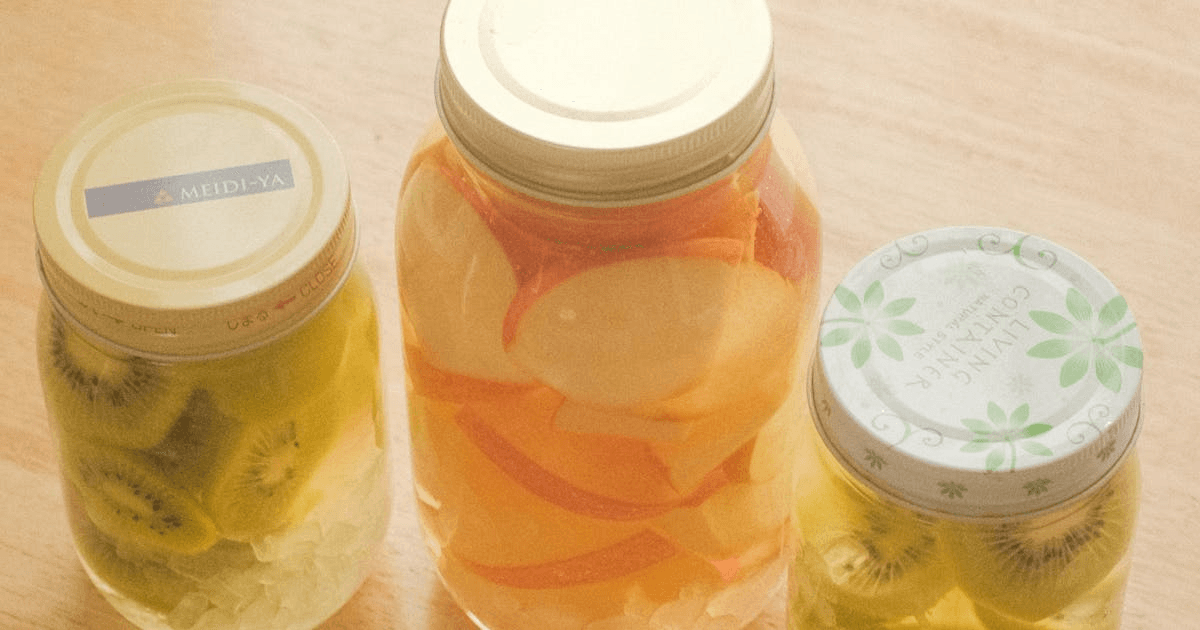
Invest in good airtight containers. Glass jars with airtight lids or quality food-grade plastic containers keep pantry staples fresh and pest-free. I use a combination of large glass jars for flour and sugar, and clear containers for beans and grains so I can see what I have at a glance.
Label everything. This sounds obvious but is so easy to skip. At minimum, label the contents and the date you stored it. A roll of masking tape and a permanent marker is all you need.
Keep your pantry cool and dark. Heat, light, and moisture are the enemies of dry goods. If your pantry gets warm (near an oven or in direct sunlight), your flours and oils will go rancid faster.
Store flour and whole grains in the freezer if you have space. Whole wheat flour, in particular, has oils in it that can go rancid at room temperature. If I buy a 25-lb bag, I keep what I'll use this month in the pantry and freeze the rest.
Bay leaves in dry goods. An old trick — putting a bay leaf in containers of flour, rice, and beans can help deter pantry moths. It's not foolproof, but it's cheap insurance.
Rotation: The System That Keeps Your Pantry Working
A pantry is only useful if you're actually cycling through what's on the shelves. The simplest rotation system is FIFO — first in, first out. When you buy or preserve something new, put it behind the older stock so you use the older items first.
Every month or two, do a quick scan of your pantry and check for:
- Anything approaching its best-by date that needs to be used soon
- Items you haven't touched in months (do you actually need them?)
- Anything that's gone stale, rancid, or shows signs of pests
I also keep a running list on the inside of my pantry door of items that are running low. When flour drops below about a quarter of the container, it goes on the list. This prevents those frustrating moments when you go to bake bread and realize you're out of yeast.
Building Your Pantry Gradually
You don't need to stock a full homestead pantry in a single shopping trip. That would be expensive and overwhelming. Instead, add a few items each week:
- Week 1: Buy a 10-lb bag of flour, a jar of yeast, and a bag of dried beans
- Week 2: Stock up on oils and vinegars
- Week 3: Buy rice, oats, and baking supplies
- Week 4: Invest in bulk spices
Within a month, you'll have the foundation of a working from-scratch pantry. From there, it's just maintenance — replacing what you use and adding home-preserved items as you learn to can and preserve.
The goal isn't to have the most impressive pantry on the internet. The goal is to have a functional one that supports the way you actually cook and eat. Start with the things your family uses most, and build from there.
Meal Planning From Your Pantry
A well-stocked pantry makes meal planning almost effortless. When you have staples on hand, you don't need to plan every meal for the week and buy specific ingredients for each one. Instead, you can look at what you have and build meals around it.
Some of our most-made meals that come entirely from the pantry shelf:
- Bean soup — Dried beans, canned tomatoes, onion, garlic, spices, broth (homemade from the freezer)
- Pasta with tomato sauce — Home-canned tomato sauce, pasta, garlic, olive oil, dried herbs
- Rice and beans — A complete protein meal from two of the cheapest foods on earth
- Homemade bread — Flour, water, yeast, salt
- Pancakes — From the homemade mix in the pantry, plus eggs and milk from the fridge
- Stir-fry — Rice, whatever vegetables are in the fridge, soy sauce, garlic, ginger
- Oatmeal — Oats, honey or maple syrup, whatever dried or frozen fruit is available
The peace of mind that comes from knowing you can feed your family a real, from-scratch meal without setting foot in a grocery store is one of the underrated rewards of maintaining a homestead pantry. It's not about preparing for the apocalypse — it's about having the foundation for good, nourishing food always within reach.
Quality Containers Make a Difference
One thing I wish I'd done sooner was invest in proper food storage containers instead of trying to make do with random mismatched jars. A uniform set of clear, airtight containers transforms a chaotic pantry into something you actually enjoy cooking from. When you can see at a glance that you're low on rice or have plenty of lentils, meal planning becomes effortless.