The Best Homesteading Tools You Can Find on Amazon
My favorite homesteading tools and supplies on Amazon — garden essentials, canning gear, chicken supplies, and more. Tried, tested, and actually worth buying.
Disclosure: This post contains affiliate links. If you purchase through my links, I may earn a small commission at no extra cost to you. I only recommend products I genuinely love and believe in. Thank you for supporting Eventful Eve! 🤍
I am not someone who believes you need a ton of expensive equipment to homestead. Some of the most valuable homesteading skills — baking bread, composting, growing food from saved seeds — cost almost nothing. But there are certain tools that make the work significantly easier, more efficient, or just plain more enjoyable. And after a lot of trial and error (and a few regrettable purchases), I've landed on the ones that have genuinely earned their place in my daily routine.
These are my tried-and-tested favorites, all available on Amazon. I've used every single one of these personally, and they're the tools I'd replace immediately if I lost them tomorrow.
Garden Essentials
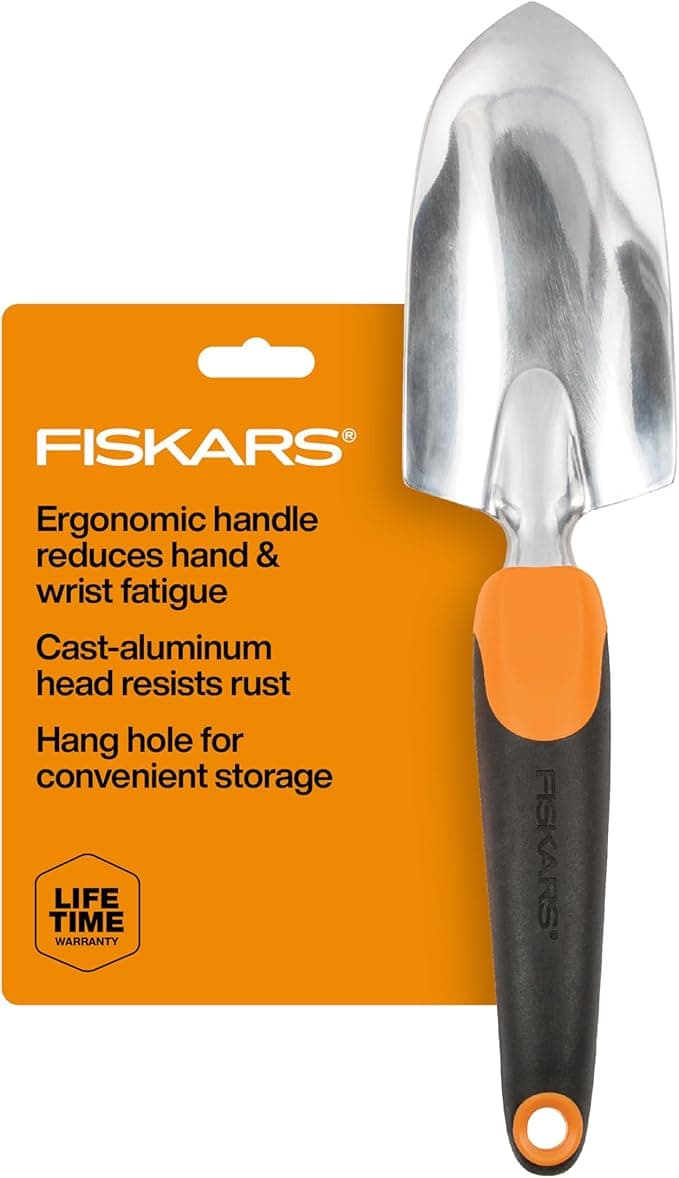
This might seem like a boring pick, but a good trowel is the tool you'll reach for more than any other in the garden. The Fiskars Ergo has a comfortable handle that doesn't destroy your wrist after an hour of planting, the blade is sharp enough to cut through roots and compacted soil, and it's held up beautifully after multiple seasons. I've broken three cheap trowels before finding this one.
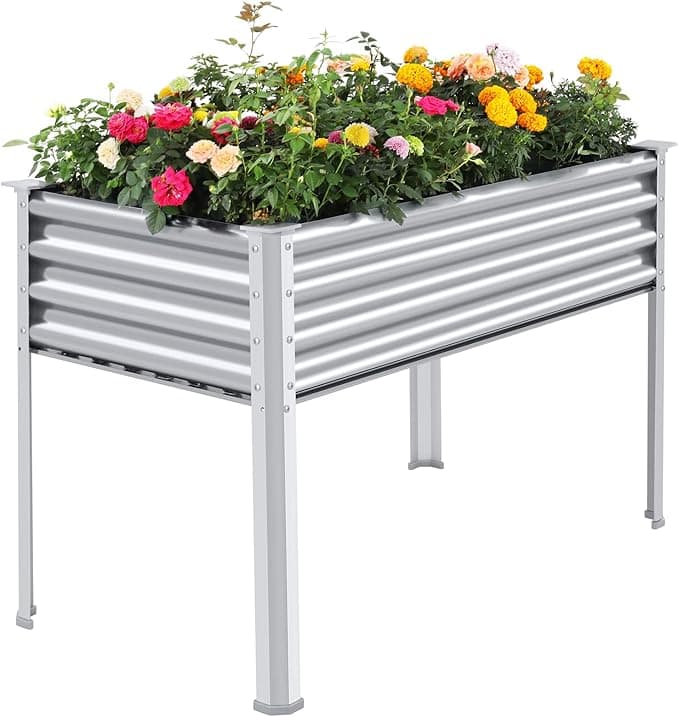
Land Guard Galvanized Elevated Raised Garden Bed
If you're dealing with limited space or want a garden that doesn't require kneeling on the ground, an elevated raised bed is a game-changer. This one is deep enough for root vegetables, has great drainage, and the elevated height means no more sore knees or backs. It's also fantastic for small patios or balconies. I keep one on my deck for herbs and salad greens so they're right outside my kitchen door.
Canning Supplies
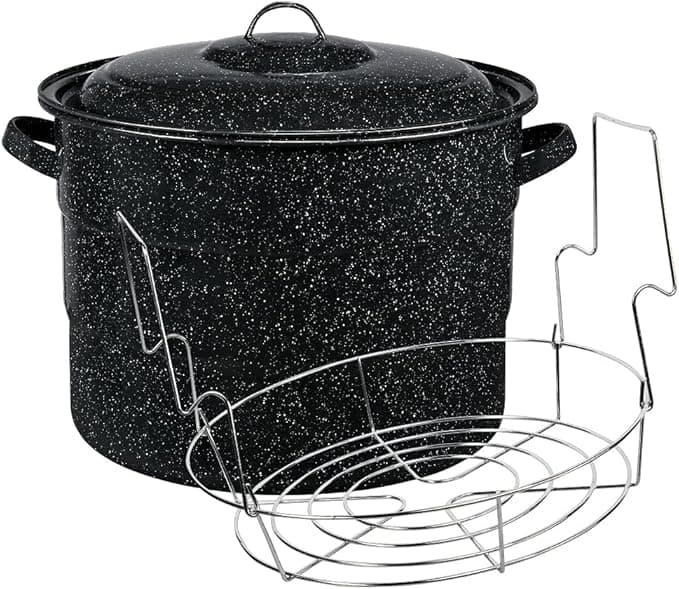
Granite Ware Water Bath Canner with Rack
This is the classic water bath canner that generations of home canners have used, and for good reason. It holds seven quart jars or nine pint jars, comes with a fitted jar rack, and is lightweight enough to handle easily even when full of water. It's also incredibly affordable for what it does. If you're just starting out with canning, this is where to begin. I've used mine for three canning seasons now and it shows no signs of quitting.
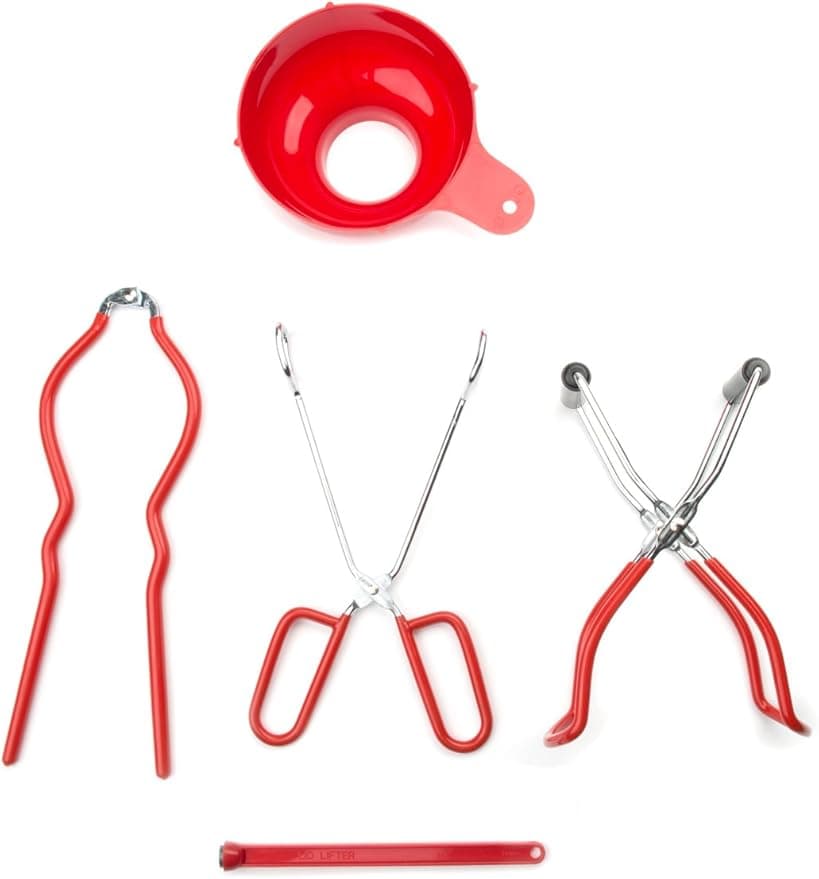
Fox Run Home Canning Tool Set (5-Piece)
This set includes everything you need alongside your canner: a jar lifter, canning funnel, lid lifter (magnetic wand), bubble remover with headspace measuring tool, and jar wrench. You could piece these together separately, but this set covers the basics well and the quality is solid. The jar lifter alone is worth it — trying to pull a boiling hot jar out of water without one is a terrible idea that I only attempted once.
Chicken Keeping Supplies
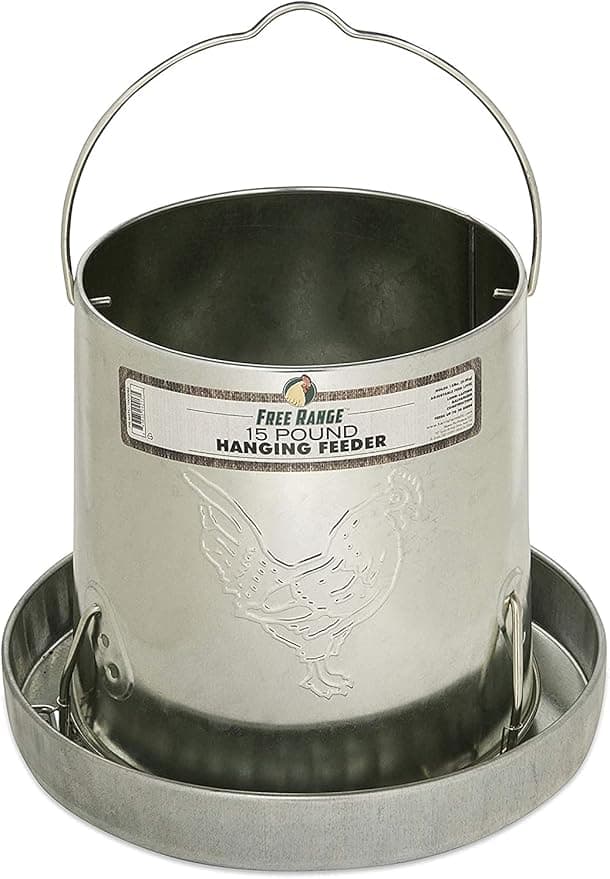
Harris Farms Hanging Poultry Feeder (15 lb)
A good feeder saves you both food and frustration. This hanging style keeps chickens from scratching feed all over the ground (which they absolutely will do with a ground-level feeder), reduces waste, and the 15-lb capacity means you're not refilling it every day. The rain cover keeps feed dry in outdoor runs, and the height is adjustable as your flock grows. Simple, durable, does the job without fuss.
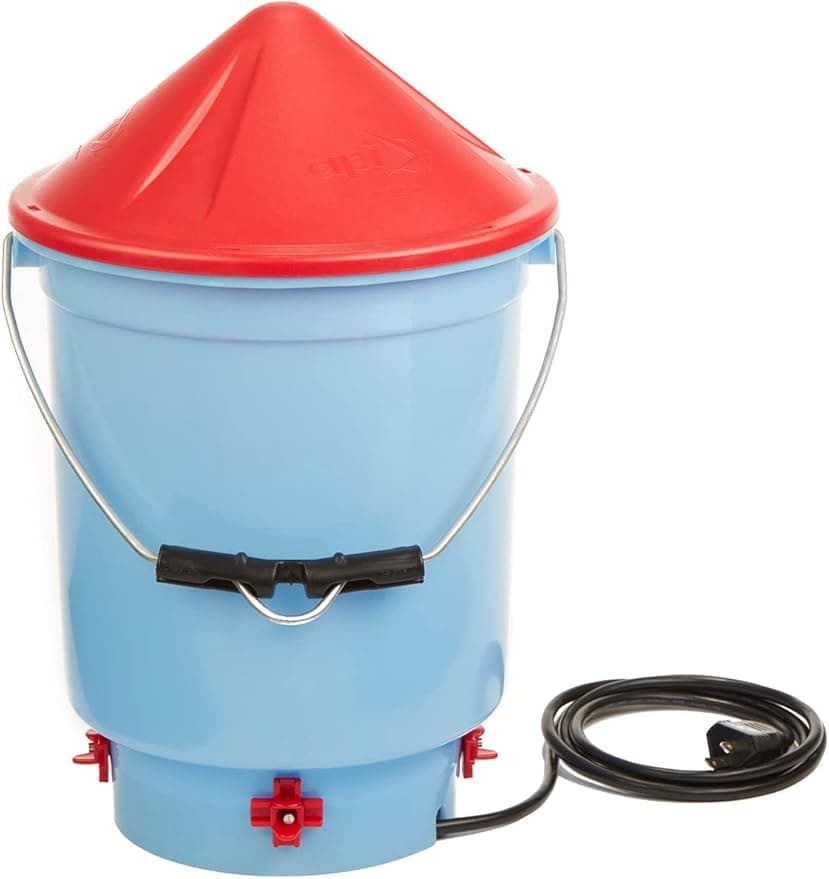
Heated Poultry Waterer (3 Gallon)
If you live anywhere that gets below freezing in winter, a heated waterer is not optional — it's essential. Chickens need access to unfrozen water at all times, and trudging out in the cold every few hours to break ice gets old fast. This thermostatically controlled waterer only kicks on when temperatures drop below freezing, so it's energy-efficient. It was one of my best chicken-related purchases and the one I recommend most often to new flock owners heading into their first winter.
Pantry and Preservation
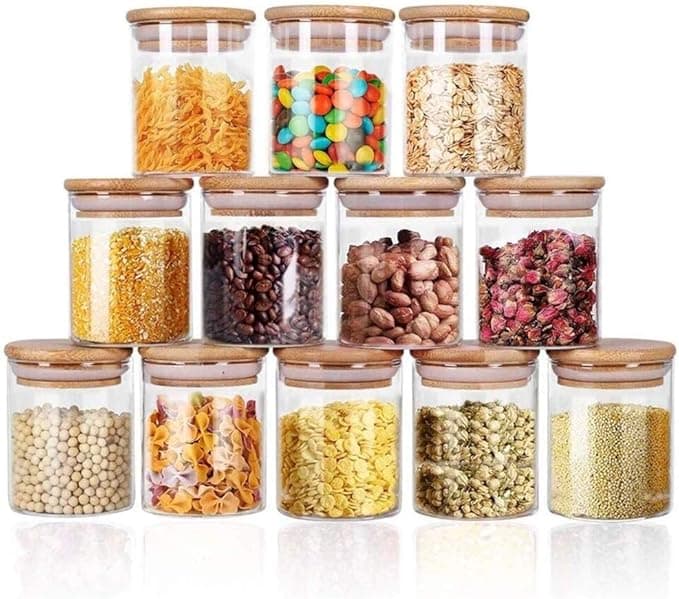
Glass Storage Jars with Bamboo Lids (Set of 12)
A well-stocked homestead pantry needs proper storage, and these glass jars are what I use for everything from dried beans and lentils to flour, sugar, oats, and homemade spice blends. The bamboo lids with silicone rings seal tightly to keep contents fresh, the clear glass lets you see exactly what you have (and how much is left), and they look beautiful lined up on a shelf. I have about two dozen of these at this point and keep buying more.
The Tools That Earn Their Keep
I want to be clear about something: you do not need all of these things to start homesteading. You can compost with a pile on the ground, garden with a stick, and keep chickens with a recycled bucket for water. People have been doing it for centuries without Amazon.
But if you're looking to invest in a few things that will make your homesteading life easier and more enjoyable, these are the ones I'd point you toward. Every item on this list has been used hard in my own homesteading journey and I genuinely stand behind each one.
What I Wouldn't Waste Money On
Just as important as knowing what to buy is knowing what to skip. A few things I bought early on that weren't worth it:
Expensive garden kneeling pads — A folded towel or old yoga mat works just as well. Save your money for tools that actually do work.
Fancy compost bins with intricate designs — The simplest compost setup is the most effective. A basic bin or pile does the exact same thing as the $200 tumbler. Start simple and upgrade only if you find a genuine need.
Novelty seed kits — Those "grow your own salsa garden" kits are cute but overpriced. Buy individual seed packets of what you'll actually use — you'll get ten times the seeds for the same price.
Single-use kitchen gadgets for preservation — You don't need an apple peeler-corer-slicer, a specialized tomato strainer, or a dedicated strawberry huller when you're just starting out. A good knife and a basic food mill or immersion blender handle 90% of preservation prep work.
How I'd Prioritize If I Were Starting Over
If I had to equip a homestead from scratch on a tight budget, here's the order I'd buy things in:
- A quality garden trowel and a pair of pruners — these cost under $25 together and are the foundation of garden work
- Seeds and soil amendments — get growing first, it's the cheapest entry point
- Canning supplies (canner, jars, utensil set) — so you can preserve what you grow
- Storage containers — to keep your pantry organized and pest-free
- Chicken supplies — only when you're ready for that step
Start with whatever tool solves your most immediate need. Build your toolkit the same way you build your homestead — one piece at a time, based on what you actually need right now, not what you think you might need someday.