Best Herbal Teas for Sleep, Stress & Gut Health
I have been a tea person my entire adult life, but for a long time I was doing it completely wrong.
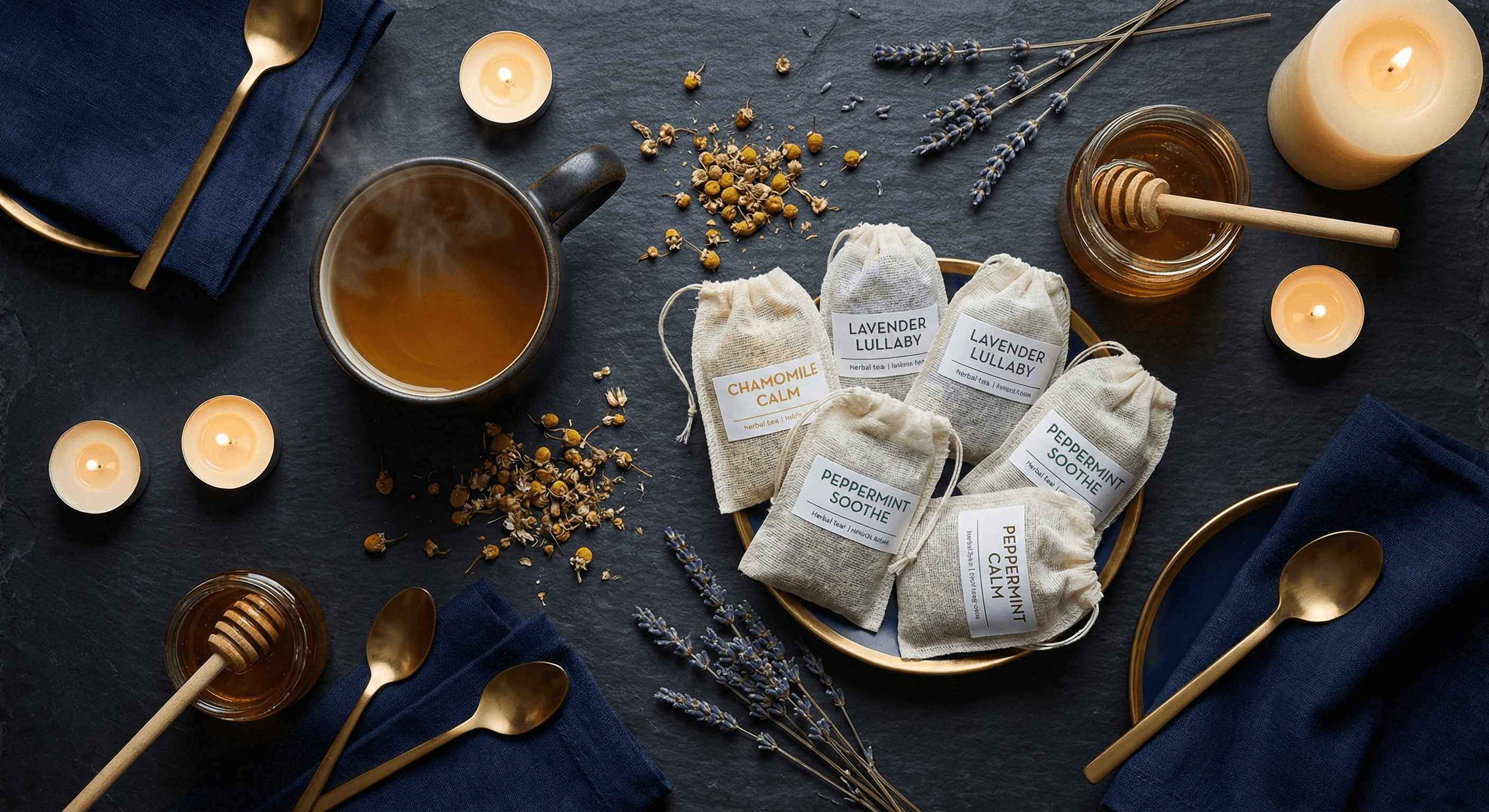
I have been a tea person my entire adult life, but for a long time I was doing it completely wrong. I'd grab whatever looked pretty at the grocery store, steep it for two minutes, drink it lukewarm, and wonder why I wasn't getting the calming, sleep-inducing, gut-soothing effects everyone talked about.
Turns out, there's a real difference between drinking herbal tea casually and actually using it intentionally. The right herbs, at the right time, prepared correctly, can genuinely move the needle on sleep quality, stress levels, and digestion in ways that are noticeable — not in a dramatic overnight way, but in a consistent, cumulative way that adds up.
I've spent a few years now being deliberate about which teas I drink and when. I have a sleep tea rotation I do every single night. I have go-to blends for anxious afternoons. And I have teas that have genuinely helped my gut in ways that surprised me. Here's everything I've learned, plus the specific products I actually buy and recommend.
Why Herbal Tea Works (and When It Doesn't)
Before I get into recommendations, let me be direct: herbal tea is not medicine. It's not going to fix chronic insomnia, an anxiety disorder, or serious digestive disease. What it can do is provide a gentle, cumulative, supportive effect that complements other healthy habits — and for many people, that gentle support is exactly what they need.
The reason herbal teas work at all is that they contain biologically active compounds. Chamomile contains apigenin, which binds to GABA receptors in the brain the same way anti-anxiety medications do — just much more gently. Ashwagandha contains adaptogens that help regulate the stress response. Peppermint contains menthol, which relaxes intestinal smooth muscle. These aren't placebo effects — the compounds are real, they're just subtle.
The key is consistency. One cup of chamomile tea the night before a big presentation is not going to help you sleep. A cup of chamomile tea every night for three weeks as part of a wind-down routine? That's a different story. The ritual itself signals to your nervous system that it's time to calm down, and the compounds build up over time.
Also critical: steeping time and water temperature matter more than most people realize. Herbal teas need at least 5–7 minutes of steeping, ideally covered (to trap volatile compounds), and water that's just below boiling — around 200°F. Rushing a steep or using water that's not hot enough means you're leaving a significant portion of the active compounds in the bag.
The Best Herbal Teas for Sleep
Sleep is where I started my intentional tea journey, and it's where I've seen the most consistent results. These are the herbs I come back to again and again:
Chamomile
Chamomile is the most well-researched sleep herb and, in my experience, one of the most effective. The apigenin in chamomile binds to benzodiazepine receptors in the brain — the same receptors that sleep medications target — and promotes relaxation without sedation. It doesn't knock you out. It gently quiets the nervous system.
I drink chamomile every single night, about 45 minutes before bed — it pairs perfectly with magnesium for sleep as part of my wind-down routine. I use a high-quality loose leaf chamomile rather than bags because the whole flowers contain significantly more apigenin. The difference in effect between a quality loose leaf chamomile and a generic grocery store bag is genuinely noticeable once you've experienced it.
Valerian Root
Valerian is the herb I reach for when I'm particularly wired or when I know sleep is going to be difficult — before travel, during stressful weeks, or any time my cortisol feels elevated in the evenings. It works differently from chamomile: valerian contains valerenic acid, which increases GABA availability in the brain and has more of a sedating quality.
Fair warning: valerian root tea smells terrible. There's really no way around it — it has an earthy, almost unpleasant aroma. Some people describe it as dirty socks. I've learned to just commit to it and drink it quickly. The effect is worth it.
Passionflower
Passionflower is my favorite sleep herb that most people haven't heard of. It's gentler than valerian, more pleasant to drink, and works through a similar GABA-enhancing mechanism. Research shows it can reduce time to fall asleep and improve sleep quality, particularly for people whose sleep issues are rooted in anxiety rather than physical restlessness.
I love passionflower in the early evening, a few hours before bed, when I want to start bringing cortisol down without committing to full sleep mode yet.
Lemon Balm
Lemon balm is a member of the mint family with a lovely, citrusy flavor and genuine calming properties. It inhibits the breakdown of GABA, which has the effect of keeping your nervous system in a calmer state. It's also known to reduce cortisol response to stress, which makes it particularly useful if you tend to lie in bed replaying the day.
I often combine lemon balm with chamomile or passionflower for a layered effect. Many commercial sleep blends use all three together, which is a solid combination.
My Recommended Sleep Tea
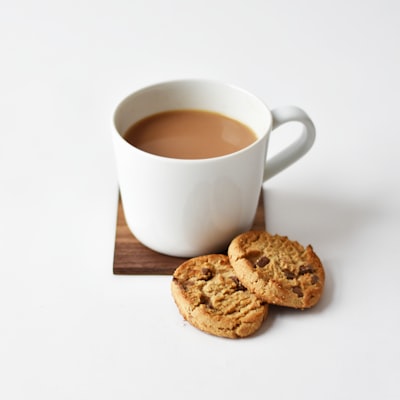
Pukka Herbs Night Time Organic Tea — 20 Count
A thoughtfully blended sleep tea with oat flower, lavender, and lime flower. Caffeine-free, organic, and noticeably more effective than grocery store sleep teas.
Shop on Amazon →The Best Herbal Teas for Stress and Anxiety
Stress teas are for daytime — specifically the kind of low-grade, background stress that builds up over a long week. These herbs don't sedate you; they take the edge off.
Ashwagandha
Ashwagandha is an adaptogen, which means it helps the body adapt to stress rather than reacting to it. It regulates the HPA (hypothalamic-pituitary-adrenal) axis, which controls cortisol production. Consistent use over several weeks has been shown to meaningfully reduce cortisol levels, reduce perceived stress, and improve energy and mood.
Ashwagandha tea has a slightly earthy, nutty flavor that I've come to really like, especially with a small amount of honey. I drink it in the late afternoon, around 3–4pm, when I tend to hit an energy dip combined with accumulated stress from the day.
Holy Basil (Tulsi)
Holy basil, also called tulsi, is one of the most sacred plants in Ayurvedic medicine and one I've come to love for stress support. It has a complex flavor — slightly spicy, floral, and herbal — and genuine adaptogenic properties. It helps modulate the stress response, supports immune function, and has anti-inflammatory effects.
What I love about tulsi is that it's versatile — it works equally well as a morning ritual for setting a calm tone for the day, or as an afternoon stress reducer. I often brew tulsi with a small piece of fresh ginger for flavor.
Lavender
Lavender tea gets less attention than lavender aromatherapy, but it's genuinely effective as a tea. If you struggle with anxiety, I also wrote about natural remedies for anxiety that complement herbal tea. The linalool and linalyl acetate in lavender have demonstrated anxiolytic (anti-anxiety) effects in clinical studies — comparable in some small trials to low doses of lorazepam, without the dependency risk. The flavor is subtle and floral; I find it most pleasant blended with chamomile or lemon balm.
My Recommended Stress Tea

Organic India Tulsi Ashwagandha Herbal Tea — 18 Bags, 3 Pack
A clean, effective combination of two powerful adaptogens. Organic and non-GMO verified. Robust flavor that stands on its own without added sweetener.
Shop on Amazon →The Best Herbal Teas for Gut Health and Digestion
My gut health journey is a whole story, but the short version is: I spent years dealing with bloating, irregular digestion, and post-meal discomfort before I started paying attention to what I was putting into my body — including what I drank. These are the teas that made a real difference.
Peppermint
Peppermint is the most evidence-backed digestive herb out there. Menthol relaxes the smooth muscle of the intestines, which is why peppermint is well-established as a treatment for IBS symptoms — it reduces cramping, bloating, and that uncomfortable pressure that comes from trapped gas.
I drink a cup of peppermint tea after dinner every night, and the difference in my bloating and digestive comfort is significant. It's also one of the most pleasant teas to drink — clean, bright, and refreshing. I use it both hot and iced.
Ginger
Ginger is a digestive powerhouse. Gingerols and shogaols in ginger have anti-inflammatory effects on the gut lining, stimulate gastric motility (meaning food moves through your stomach more efficiently), reduce nausea, and support bile production for fat digestion.
I drink ginger tea most often after heavier meals or when I'm feeling sluggish digestively. Fresh ginger steeped in hot water with a squeeze of lemon is my go-to, but a quality bagged ginger tea works well too. I also combine ginger with peppermint for what I think of as my "active digestion" blend.
Licorice Root
Licorice root is less common but deeply effective for digestive health, particularly for people who deal with reflux or inflammation in the GI tract. DGL (deglycyrrhizinated licorice) is known to soothe the stomach lining, reduce acid-related discomfort, and support the mucous membrane that protects the digestive tract. The flavor is distinctly sweet and anise-like — you either love it or you don't, but I've come to enjoy it.
Fennel
Fennel seeds have been used for digestive complaints for centuries, and with good reason. They relax intestinal smooth muscle (similar to peppermint), reduce bloating, and can be particularly helpful for gas and cramping. Fennel tea has a mild licorice-like flavor and is especially nice as an after-dinner ritual.
My Recommended Gut Health Tea
Yogi Tea Stomach Ease — 16 Tea Bags (6 Pack)
A well-crafted digestive blend with peppermint, licorice root, and Ayurvedic herbs. Caffeine-free and genuinely helpful for post-meal bloating and discomfort.
Shop on Amazon →How I Build a Daily Tea Ritual That Actually Works
If you want herbal tea to actually do something for you, the key is building it into your day as a consistent habit — not as a occasional thing you do when you remember. Here's my current daily structure:
Morning (optional): Tulsi or ginger tea while I'm making breakfast. Sets a calm, intentional tone. I don't always do this, but on high-stress days I'm glad when I do.
Afternoon (3–4pm): Ashwagandha tea or a stress blend. This is when I'm most prone to anxiety and energy crashes, so it's become an important anchor in my afternoon.
After dinner: Peppermint or fennel tea. Non-negotiable for me now. My digestion is noticeably worse on nights I skip it.
45 minutes before bed: My sleep blend — usually chamomile plus passionflower, or a quality commercial sleep tea. I prep this as part of my wind-down routine, alongside dimming lights and putting my phone down.
The ritual aspect of tea is actually a feature, not just a nice-to-have. The act of making tea — boiling water, choosing your mug, waiting for the steep — is a small mindfulness practice that signals to your body that you're transitioning between states. It's one of the most low-effort, high-return healthy habits I've built.
What to Look for When Buying Herbal Tea
Not all herbal teas are created equal. Here's what I look for:
Certified organic when possible. Conventional herbal teas can contain pesticide residue, and since you're drinking this for health reasons, it's worth buying organic. Look for USDA Organic certification.
Single-herb or simple blends. Teas with 15 different herbs look impressive but often contain so little of each herb that you're not getting a therapeutic dose of anything. Simple, focused blends with high-quality primary herbs tend to be more effective.
Reputable brands. Traditional Medicinals, Pukka Herbs, Yogi, and Buddha Teas are brands I trust. They're transparent about sourcing and take potency seriously.
Loose leaf for medicinal use. If you're drinking for a specific therapeutic purpose (sleep, gut health), loose leaf tea is meaningfully more potent than bags. The whole herb contains more active compounds. It's worth the small extra effort.
Check caffeine content. True herbal teas are naturally caffeine-free — they're not made from the Camellia sinensis plant. But some blends add green tea or other caffeinated ingredients, so check the label if you're drinking at night.
A Note on Consistency
I want to say this one more time because I think it's the most important thing: these herbs work through consistency, not magic. If you drink a cup of chamomile tea one time and sleep like a rock, that might be a placebo effect, or it might be that you're particularly sensitive. But the real benefit of herbal teas comes from building them into your daily routine for weeks and months.
I didn't notice a dramatic change when I first started my sleep tea ritual. I noticed a gradual, gentle shift over about two to three weeks — falling asleep a little more easily, waking up a little less in the middle of the night, feeling a little more rested. That's how these herbs tend to work. Give them time, be consistent, and pay attention to the cumulative effect.
If you're new to herbal teas and want to start somewhere, I'd say pick one purpose (sleep, stress, or digestion) and commit to one cup per day for a month. That's enough time to notice whether it's moving the needle for you — and I think for most people, it will.
You'll Also Love
- Magnesium for Sleep: Why It Works and What Type to Take
- Natural Remedies for Anxiety That Actually Work
- Gut Health for Women: Where to Start (And What to Buy)
- 10 Benefits of Drinking Matcha Every Day
As always, if you have any medical conditions or take medications, check with your doctor before adding new herbs to your routine. Herbal teas are gentle but they're not inert — some herbs interact with medications or are contraindicated in certain conditions.